

Do it yourself wall panels are a smart way to upgrade a plain wall without starting a full renovation. They can add texture, warmth, and a more polished look to living rooms, bedrooms, hallways, home offices, and TV feature walls.
For homeowners who want affordable wall panel ideas, DIY wall panel projects can make a strong design impact when planned properly. The key is choosing the right wall panel style, measuring carefully, and matching the finish with the room’s purpose.
Do it yourself wall panels are popular because they give homeowners more control over their interior design. Instead of repainting the same wall, panels can create depth, pattern, and a more custom finish.
Many people choose DIY wall panel projects because they can refresh a space without replacing furniture or changing the full layout. This makes wall panels useful for budget-friendly home upgrades, especially in residential interiors where style and comfort both matter.
DIY projects also help homeowners explore different design styles before committing to larger upgrades. For example, a simple accent wall can later inspire a more complete modern wall panel ideas plan for the rest of the home.
The best do it yourself wall panels depend on your room size, design goal, budget, and skill level. Some projects are simple enough for beginners, while others may need more planning and careful cutting.
Batten wall panels are one of the easiest DIY wall panel projects for beginners. They use thin strips of wood or MDF to create clean vertical or square patterns on a flat wall.
This style works well in bedrooms, hallways, and dining areas because it adds structure without making the room feel heavy. It is also a good option for homeowners who want affordable wall panel ideas with a classic finish.
A TV wall is one of the best places to use do it yourself wall panels because it naturally becomes the focus of the room. Panels can help frame the television, hide plain wall space, and create a more finished entertainment area.
For a modern look, many homeowners use slim vertical panels, fluted designs, or wood-inspired finishes. If you are planning a media wall, it helps to review proper steps for how to install wall paneling before cutting or attaching any materials.
Peel-and-stick panels are a simple choice for renters or beginners who want easy wall panel installation. These panels usually come with adhesive backing, making them easier to apply than traditional wood or MDF panels.
They are useful for small accent walls, entryways, office corners, and temporary design upgrades. However, the wall surface must be clean, dry, and smooth for the panels to stay in place properly.
Wood-look panels are ideal for homeowners who want warmth without using heavy natural timber. They can suit modern, rustic, transitional, and luxury interior wall designs depending on the colour and profile.
Decorative wooden wall panels can also make a room feel more inviting. They work especially well behind beds, sofas, reception desks, and feature walls in both residential interiors and commercial interiors.
Geometric wall panels are a creative option for homeowners who want a bold design. This project usually uses MDF strips or timber trims arranged into angled, square, or abstract patterns.
Once painted, the wall can look custom-built even when the materials are simple. This is a good DIY wall panel project for feature walls in bedrooms, kids’ rooms, home offices, or creative spaces.
Half-wall paneling is a practical option for smaller rooms because it adds detail without covering the full wall. It is often used in hallways, powder rooms, dining areas, and stairways.
This style can make a space feel more refined while keeping the upper wall open for paint, wallpaper, or artwork. It is also easier to install than full-height panels, making it suitable for many beginner DIY projects.
Luxury-inspired panels can include marble-look, metallic, leather-effect, or textured finishes. These styles are often used to create a premium feature wall without changing the full room.
For homeowners in Lakewood, NJ and across New Jersey, this type of project can help create a more custom interior look for living rooms, home offices, and commercial reception areas. It also supports a more polished design direction when paired with quality lighting and simple furniture.
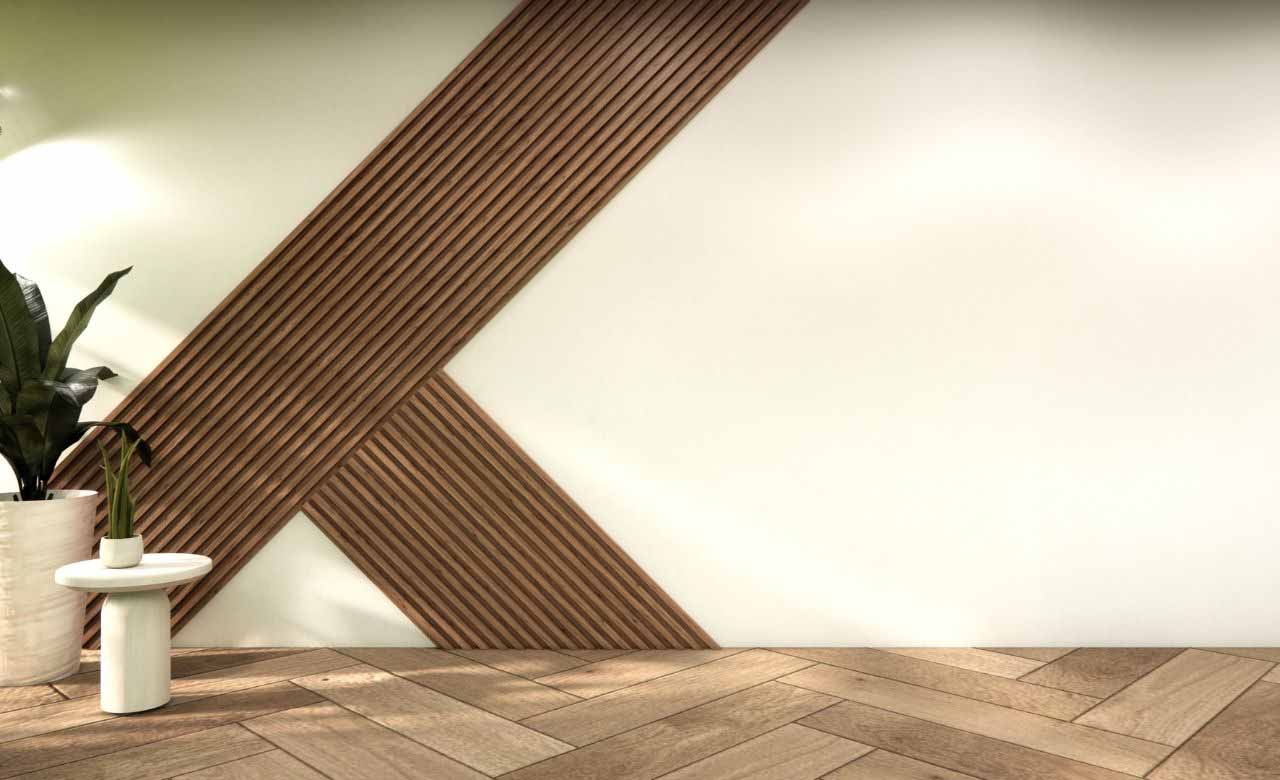
Do it yourself wall panels can work in many parts of the home, but some rooms benefit more than others. The best room depends on how visible the wall is and how much design impact you want to create.
For homeowners who want a more modern finish, wall panels can also connect with broader interior upgrades. A DIY feature wall may lead to a larger plan using modern wall panel ideas across several rooms.
Choosing the right do it yourself wall panels starts with the room’s purpose. A bedroom may need a warm and calm finish, while a TV wall may need a cleaner and more structured design.
You should also think about lighting, furniture, wall size, and maintenance. Darker panels can create a dramatic look, while lighter panels can make small spaces feel more open.
Simple vertical panels often work well in modern interiors because they make walls look taller. Square or batten designs can feel more classic, while textured panels can create a stronger design statement.
If the room already has bold furniture or artwork, choose a cleaner panel profile. If the room feels plain, a stronger decorative wall panel design can help create a better focal point.
DIY wall panel projects can use MDF, timber, PVC, peel-and-stick panels, or decorative surface panels. Each material has different benefits, costs, and installation needs.
MDF is common for painted wall paneling because it is affordable and easy to cut. Wood-inspired panels are useful when you want warmth, while luxury finishes can support a more premium interior style.
Beginner-friendly projects include peel-and-stick panels, half-wall paneling, and simple vertical battens. More advanced projects may include geometric patterns, large TV feature walls, or custom wall panel layouts.
Before starting, it is important to measure the wall carefully and plan the layout on paper. A clear plan helps reduce wasted material and makes easy wall panel installation more realistic.
Easy wall panel installation depends on preparation. Even a simple wall panel project can look uneven if the wall is not measured, cleaned, and marked correctly.
If you are unsure about spacing, cutting, or finishing, review a detailed guide on how to install wall paneling before beginning. This helps you avoid common mistakes such as uneven gaps, poor alignment, or weak panel attachment.
Affordable wall panel ideas do not need to look basic. A simple design can still feel high-end when the spacing, colour, and finish are handled well.
One cost-effective option is to use MDF strips and paint them the same colour as the wall. This creates a built-in look without needing expensive materials.
Another option is to panel only one wall instead of the whole room. A single feature wall can make a strong design impact while keeping the project manageable for DIY homeowners.
Paint can make budget wall panels look more refined. Soft neutral colours can create a calm and elegant look, while deeper colours can make a feature wall feel more dramatic.
For best results, use paint that suits the room’s use. High-traffic areas may need a more durable finish, especially in hallways, commercial interiors, or family living spaces.
A feature wall is often more effective than paneling every wall. It gives the room a clear focal point and keeps the design balanced.
For example, a bedroom headboard wall or TV feature wall can change the feel of the room without making the space look too busy. This is why many homeowners start with one wall before planning more decorative wall panel upgrades.
Do it yourself wall panels can look professional when installed with care. However, small mistakes can affect the final result, especially when panels are placed on large or highly visible walls.
Taking time with planning and preparation makes the project easier. It also helps your wall panels look more intentional, especially if you want the space to feel modern, clean, and well-designed.
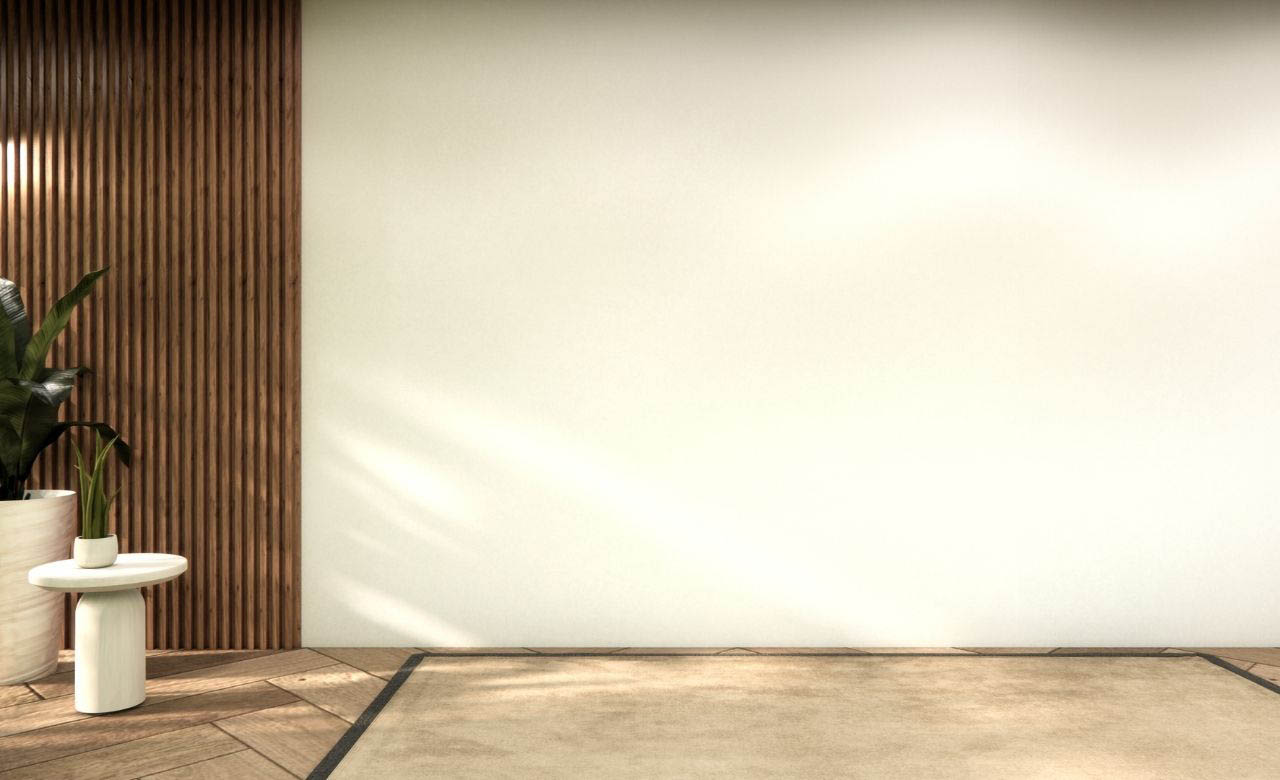
Do it yourself wall panels are often used in residential interiors, but they can also inspire smaller commercial interior upgrades. Offices, studios, salons, showrooms, and reception areas can benefit from a cleaner feature wall.
For commercial interiors, durability and maintenance should be considered carefully. High-touch areas may need stronger materials and finishes than a simple bedroom or home office wall.
In New Jersey homes and businesses, wall panels can help create a more polished interior without changing the full space. A well-planned panel wall can support brand image, comfort, and visual appeal in one project.
DIY wall panel projects are suitable when the wall is simple, the design is basic, and the materials are easy to manage. Projects like peel-and-stick panels, painted battens, and small accent walls are often realistic for beginners.
Professional help may be better for large TV feature walls, custom wall panels, curved walls, commercial interiors, or luxury finishes that require precise installation. This is especially important when the project includes lighting, wiring, or complex panel layouts.
If you want to start small, begin with a simple wall and use the project to build confidence. You can then explore more advanced modern wall panel ideas for future rooms.
Do it yourself wall panels are a practical way to improve a room with style, texture, and structure. They can suit many budgets, from simple painted battens to luxury-inspired decorative wall panels.
The best results come from careful planning, proper measuring, and choosing a panel style that matches the room. Whether you are upgrading a bedroom, living room, hallway, or TV feature wall, DIY wall panel projects can make your space feel more finished and personal.
Do it yourself wall panels are wall panel projects that homeowners can plan and install using materials such as MDF, timber strips, peel-and-stick panels, or decorative surface panels.
They are often used to create feature walls, TV walls, bedroom backdrops, hallway details, and affordable interior upgrades.
Yes, many DIY wall panel projects are suitable for beginners, especially simple batten walls, half-wall paneling, and peel-and-stick panels.
More detailed designs, large feature walls, or custom finishes may need stronger planning, accurate cutting, and professional support.
Peel-and-stick panels are usually the easiest option because they often come with adhesive backing and require fewer tools.
For timber or MDF panels, proper measuring, wall marking, cutting, and secure attachment are needed for a clean result.
Yes, do it yourself wall panels can look premium when the layout, spacing, paint, and finish are handled carefully.
Simple designs can look high-end when paired with good lighting, clean edges, and colours that match the room’s interior style.
Yes, wall panels can be suitable for commercial interiors such as offices, reception areas, salons, studios, and showrooms.
Commercial spaces should use durable materials and finishes that can handle regular use, cleaning, and daily traffic.