

Peel and stick wall panels offer a practical way to refresh an interior without committing to a complex wall renovation. Available in wood-inspired, textured, decorative, and contemporary styles, these panels can introduce visual interest while covering selected wall areas quickly.
For homeowners and designers planning an interior update, peel and stick wall panels can be useful for feature walls, bedrooms, home offices, entertainment areas, and other spaces where a noticeable design change is desired. However, the right panel depends on the wall condition, room environment, desired finish and expected level of durability.
Peel and stick wall panels are decorative wall coverings with an adhesive backing designed to attach directly to a suitable wall surface. Instead of using traditional mechanical fasteners or separate construction adhesives, the protective backing is removed, and the panel is positioned onto the prepared surface.
These self-adhesive wall panels are available in different colours, textures, patterns, and material effects. Some are designed to resemble timber, stone, fabric or other architectural finishes, making them suitable for creating decorative accents without installing a full traditional wall system.
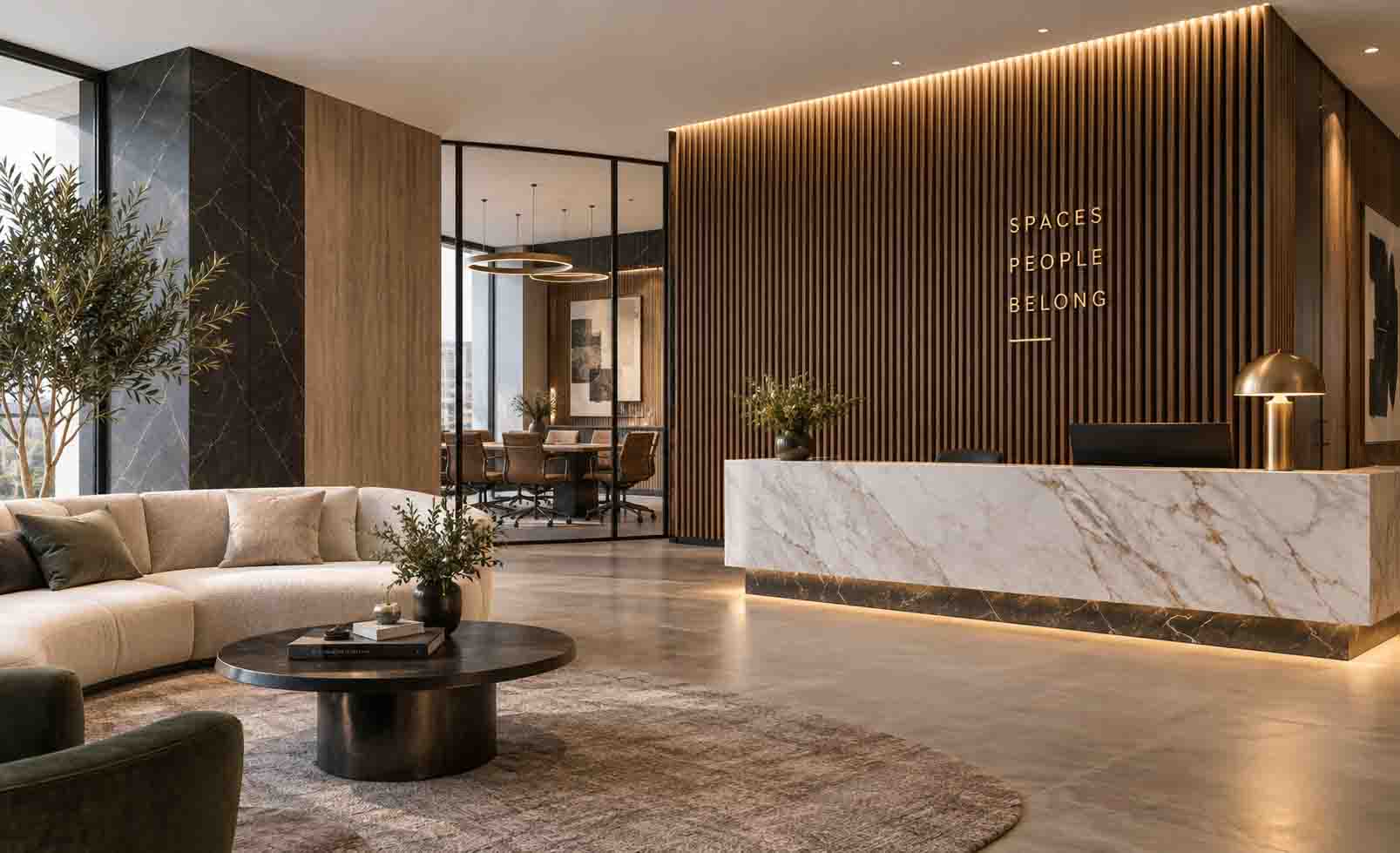
Use peel and stick panels behind the bed to establish a focal point without covering every wall. Wood-inspired or softly textured finishes can add depth around the headboard while helping the bedroom feel more visually defined.
A TV wall is one of the most noticeable areas in a living room, making it a natural location for decorative paneling. A carefully selected panel can frame the television and create a more cohesive entertainment area.
For larger or more permanent projects, compare peel-and-stick options with professionally installed luxury wall panels to determine which approach is appropriate for the desired finish and installation requirements.
A textured accent wall can give a home office more character without overwhelming the room. Neutral wood, fabric-inspired, or geometric finishes can provide a backdrop that complements desks, shelving, and contemporary furniture.
Entryways often provide the first impression of an interior, but they do not always require extensive renovation. A peel and stick wall panel can introduce texture or pattern to a selected wall while keeping the overall design relatively simple.
Installing an adhesive wall panel behind a console, sideboard or display cabinet can visually anchor the furniture. This approach works particularly well when the panel colour contrasts subtly with the surrounding walls.
Dining areas can benefit from a defined feature wall behind a table or buffet. Consider vertical textures or wood-inspired finishes to introduce warmth while maintaining a contemporary appearance.
A small reading area can become more distinctive with a single panelled wall. Choose a finish that complements the chair, lighting and surrounding colours rather than treating the panel as an isolated decorative element.
Long hallways can sometimes appear plain because of their limited furniture and decoration. Selective paneling can break up an uninterrupted wall and introduce texture without requiring major structural changes.
Modern living rooms often combine clean furniture lines with carefully controlled textures. A peel and stick wall panel can be used on one wall to introduce a decorative layer while leaving the remaining walls visually restrained.
A media wall can combine a television, cabinetry, shelving and decorative surfaces into one coordinated composition. Peel-and-stick panels can be considered for selected sections where the existing wall surface is suitable and the installation requirements are modest.
Wood-look adhesive panels can introduce the visual warmth of timber without requiring traditional timber wall construction. They can work particularly well with neutral furniture, natural materials and minimalist interiors.
In compact interiors, a single feature wall can define without making the entire room feel visually busy. Using panels selectively behind a sofa, bed or dining area can help distinguish functional zones within an open-plan space.
Some peel and stick designs incorporate refined textures, metallic effects or stone-inspired patterns that can complement upscale interiors. The result depends heavily on the quality of the panel, the preparation of the wall and how the finish interacts with lighting.
For projects where a more permanent architectural finish is required, professionally specified paneling for walls can provide additional options for material selection, profile design and installation.
Peel-and-stick panels may also be considered for selected commercial applications such as reception areas, offices, display spaces and other low-impact decorative zones. Commercial projects should account for traffic, cleaning requirements, fire and building regulations, and the manufacturer’s suitability recommendations before installation.
Where a major renovation is not practical, adhesive wall panels can provide a relatively straightforward decorative change. This can be useful for renters or spaces where the design may need to be updated later, although removability depends on the adhesive, wall surface and product specifications.
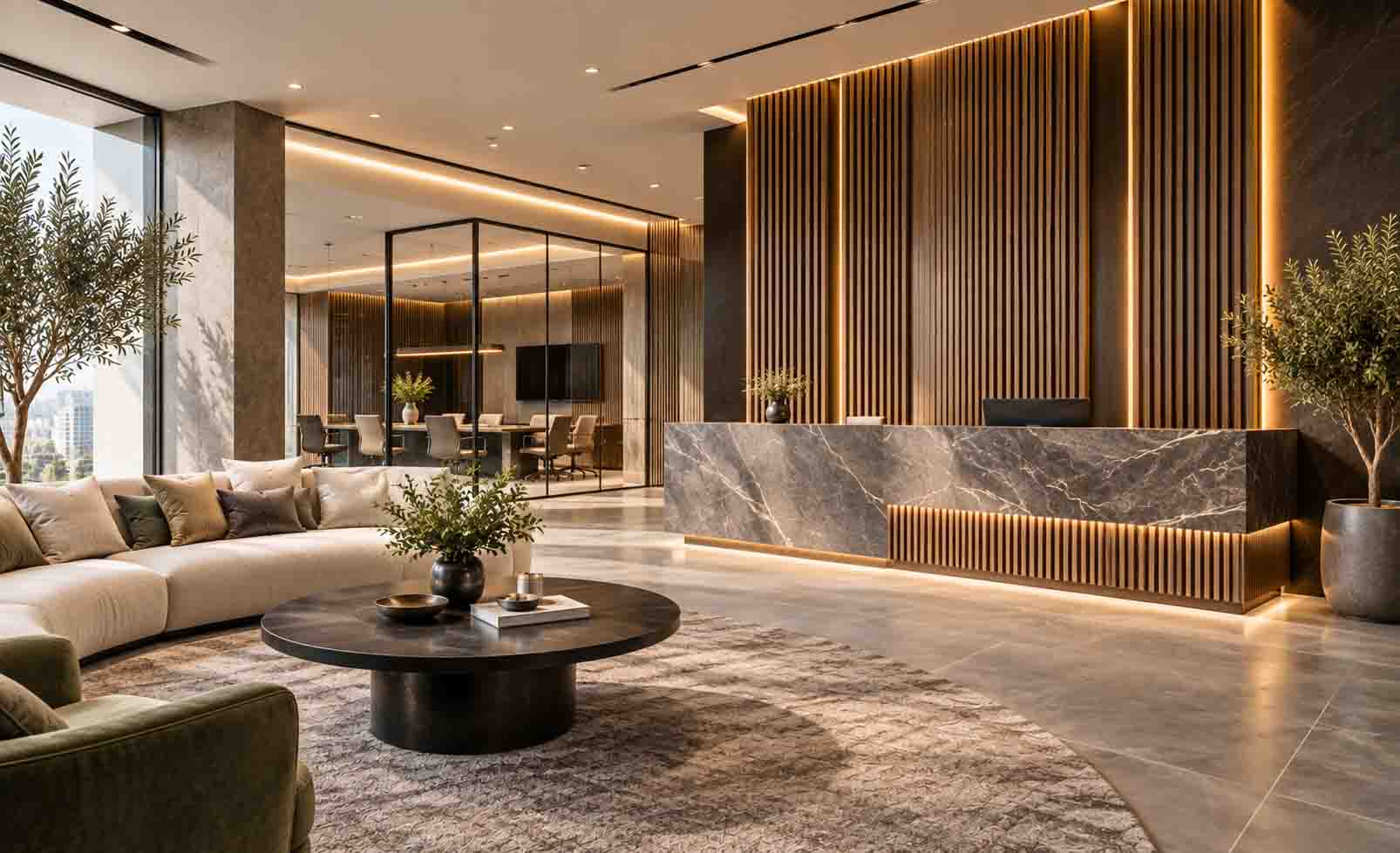
The main appeal of peel-and-stick wall panel systems is their straightforward installation method. They can reduce the need for specialised tools and extensive construction work when compared with some traditional wall panel installations.
Although adhesive wall panels can be convenient, they are not suitable for every wall or environment. Uneven, dusty, damp, peeling or poorly prepared surfaces can affect adhesion and may lead to premature lifting or separation.
Temperature, humidity, direct moisture and regular physical contact can also influence performance. Always check the manufacturer’s installation requirements and intended application before choosing a panel.
The choice between an adhesive panel and a professionally installed system depends on the project’s goals. Peel-and-stick products can be practical for relatively simple decorative updates, while professionally installed panels may provide greater flexibility for custom profiles, larger installations and more permanent architectural applications.
| Consideration | Peel and Stick Panels | Professionally Installed Panels |
|---|---|---|
| Installation | Generally simpler and faster | Usually requires more preparation and installation expertise |
| Customisation | Depends on the available product range | Can offer broader design and profile options |
| Wall preparation | Requires a clean, smooth and suitable surface | Can accommodate more detailed project preparation |
| Best suited to | Decorative updates and selected accent areas | Custom, architectural and more permanent interior projects |
| Project complexity | Generally lower | Generally higher |
Proper preparation is essential for achieving reliable adhesion. The wall should generally be clean, dry, smooth and free from loose paint, dust, grease and other contaminants that could interfere with the adhesive.
These panels are often most effective when used strategically rather than automatically covering every available wall. Bedrooms, living rooms, home offices, entryways and selected commercial feature areas can all benefit from a carefully planned accent installation.
For residential and commercial interiors in Lakewood, NJ and throughout New Jersey, the surrounding architecture, lighting, furniture and intended use of the room should all influence the panel selection. A finish that works well in a private bedroom may not have the same practical requirements as one installed in a high-traffic commercial environment.
Start by identifying the purpose of the wall rather than choosing a finish based only on appearance. Consider whether the goal is to add warmth, create a focal point, frame a television, introduce texture or visually separate an area.
Next, evaluate the wall itself. Surface condition, moisture exposure, temperature changes and expected contact should all be considered before installation. It is also important to review the manufacturer’s recommendations for cleaning, removal and long-term use.
Maintenance requirements vary according to the panel material and surface finish. In general, decorative panels should be cleaned using methods recommended by the manufacturer rather than abrasive products or excessive moisture.
Regularly inspect high-contact areas for lifting edges, surface damage or changes in adhesion. Addressing small problems early can help prevent further deterioration of the installation.
Peel and stick wall panels can be an effective option when the priority is a relatively simple decorative transformation. They provide access to a wide range of visual styles while reducing some of the installation complexity associated with traditional wall panel systems.
However, they should not automatically replace professionally installed wall solutions for every project. For luxury residential interiors, commercial environments or custom architectural applications, the required durability, finish, dimensions, wall condition and installation method should be evaluated before making a decision.
Peel and stick wall panels are decorative wall coverings with an adhesive backing that attaches directly to a suitable prepared wall surface. They are available in a range of colours, textures, patterns and material-inspired finishes.
Durability depends on the panel material, adhesive, installation conditions and intended environment. Proper wall preparation and following the manufacturer’s installation and maintenance instructions are important for reliable performance.
They can be suitable for selected commercial decorative applications when the product is specifically rated for the intended environment. Traffic, cleaning requirements, moisture, fire regulations and other building requirements should be considered before installation.
No. They generally require a clean, dry, smooth and sound surface for effective adhesion. Damp, heavily textured, dusty, peeling or damaged walls may require additional preparation or a different wall panel system.
Maintenance depends on the specific panel finish. Follow the manufacturer’s cleaning instructions and avoid abrasive products, excessive moisture or cleaning methods that could damage the surface or adhesive.
Explore Panneli Interiors’ wall panel solutions to find a finish and installation approach that suits your interior project.