

The right wall design can completely change how a room looks and feels. From elegant luxury wall panels to natural wood textures and contemporary decorative finishes, there are countless ways to turn an ordinary wall into a striking interior feature.
At Panneli Interiors, we believe well-designed walls should complement the architecture, furniture, lighting, and overall character of a space. Whether you are refreshing a living room, creating a sophisticated TV feature wall, or updating a commercial interior, exploring different design wall ideas can help you find the right balance between style and functionality.
In this guide, we explore 21 stylish wall design ideas to inspire your next interior project, along with practical tips for choosing materials, colours, textures, and finishes.
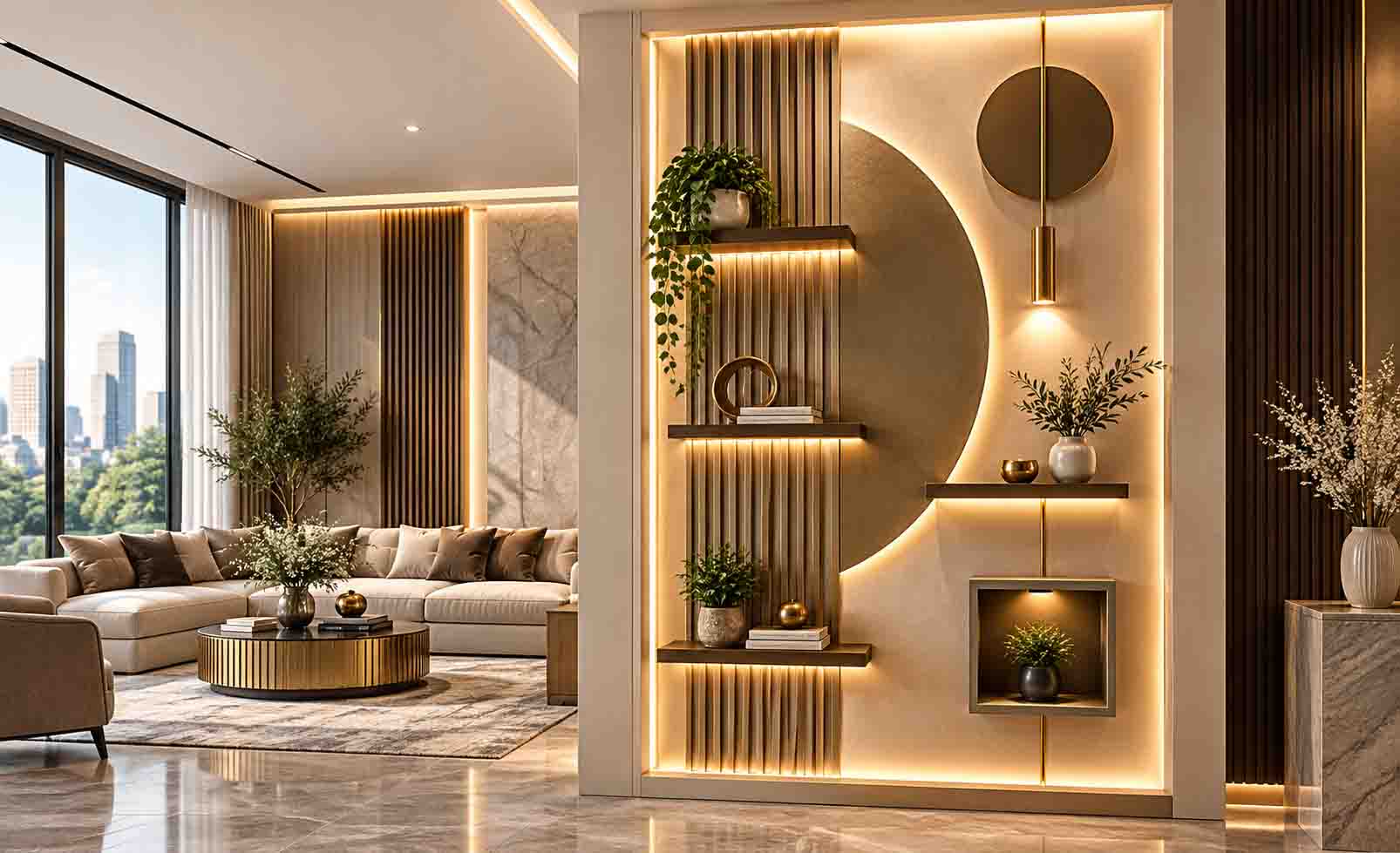
Luxury wall panels offer a sophisticated way to add depth, texture, and visual interest to an interior. They can create a polished focal point in living rooms, bedrooms, reception areas, and other spaces where the wall design plays an important role.
At Panneli Interiors, we offer wall panel designs that explore different textures, colours, and finishes to complement a variety of interior styles. From understated elegance to bold contemporary statements, luxury wall panels can help create a cohesive and refined environment.
Wooden decorative panels introduce warmth and natural character into a room. Their grain patterns, earthy colours, and textured surfaces work particularly well in living rooms, bedrooms, home offices, and hospitality interiors. Consider using wood-inspired panels behind a sofa, along a hallway, or across a feature wall. Pair them with neutral furniture, soft lighting, and natural materials to create a welcoming and balanced design.
A television wall can become one of the most prominent features in a living room. TV wall panels help create a defined entertainment area while bringing together the television, storage, lighting, and surrounding décor.
For a clean appearance, choose a finish that complements your cabinetry and flooring. Darker finishes can provide contrast, while lighter tones and subtle textures can make the overall arrangement feel more open.
Metal wall designs introduce a distinctive architectural character through metallic finishes, reflective surfaces, and clean geometric details. They are suitable for modern living spaces, commercial reception areas, offices, and hospitality environments.
Depending on the finish, metal-inspired surfaces can create anything from an industrial aesthetic to a more refined luxury appearance. Explore different textures and tones to determine how the wall will interact with your lighting and surrounding materials.
Concrete-inspired walls are ideal for interiors that favour simplicity, texture, and understated character. Their grey tones and subtle surface variations complement industrial, minimalist, and contemporary design schemes.
Use a concrete-look feature wall to balance warm wood, black metal accents, or neutral upholstery. In smaller rooms, consider limiting the finish to one wall so the space retains a sense of openness.
Marble-inspired wall panels bring the visual appeal of stone veining and elegant colour variations into an interior. They can create a luxurious backdrop for a living room, dining area, bedroom, or reception space.
White and light-grey patterns offer a bright, classic appearance, while darker marble-inspired finishes can introduce contrast and drama. Coordinate the pattern with flooring, countertops, and other surfaces to maintain visual harmony.
Geometric wall designs use shapes, lines, and repeated patterns to create movement across a surface. Depending on the scale and arrangement, they can feel minimalist, playful, architectural, or dramatic.
Use geometric panels behind a bed, sofa, or reception desk to establish a clear focal point. For a balanced result, keep surrounding décor relatively simple so the wall remains the main visual feature.
Vertical wall panels can make a room feel taller by drawing the eye upward. They are especially effective in spaces with lower ceilings or interiors that benefit from a strong sense of vertical proportion.
Pair vertical lines with streamlined furniture and carefully positioned lighting. Choosing a finish that blends with the surrounding walls can create a subtle architectural effect, while a contrasting colour makes the design more prominent.
Horizontal wall patterns direct attention across a room and can create the impression of greater width. This approach works well in narrow living rooms, corridors, and compact entertainment areas.
Consider horizontal wood-inspired panels or elongated decorative profiles. Keep the spacing consistent and coordinate the finish with the room’s other horizontal elements, such as shelving and furniture.
Textured wall panels create visual depth through raised details, grooves, patterns, and contrasting surfaces. They can make a plain wall feel more considered without relying on multiple colours or decorative accessories.
Textured finishes work particularly well behind beds, sofas, and reception desks. Consider how natural and artificial light will fall across the surface, as shadows can significantly influence the final appearance.
Minimalist wall designs focus on simplicity, proportion, and carefully selected materials. Instead of using numerous decorative elements, this approach relies on subtle textures, restrained colours, and clean lines.
Choose a limited palette of neutral shades and introduce interest through panel profiles or carefully planned transitions between materials. This creates a calm backdrop that works with contemporary furniture and uncluttered spaces.
Dark feature walls can create a sense of depth and sophistication. Charcoal, deep brown, navy, and black finishes work well in interiors where contrast and atmosphere are important.
Balance darker wall surfaces with suitable lighting, lighter furnishings, or metallic accents. Before committing to a full wall, consider the amount of natural light available and the proportions of the room.
Light-coloured wall panels can help create a fresh, airy appearance. Shades such as cream, beige, soft grey, and warm white complement many interior styles and can make smaller rooms feel less visually crowded.
For added character, select a finish with subtle grain, gentle grooves, or understated texture. This introduces dimension while preserving the simplicity of a light-coloured interior.
Leather-effect wall panels bring a distinctive tactile appearance to selected interior spaces. Their soft-looking textures and rich colour options can complement executive offices, private lounges, bedrooms, and sophisticated living areas.
Combine these finishes with restrained lighting and complementary upholstery to maintain a consistent design language. When selecting a material, review its cleaning requirements and suitability for the intended application.
Combining wall panels with lighting creates an opportunity to highlight architectural details and establish atmosphere. LED strips, wall sconces, and concealed lighting can emphasise grooves, edges, and changes in texture.
This approach works particularly well for television feature walls, bedroom headboards, and commercial reception areas. Plan the electrical layout and lighting positions before installation to achieve a clean, coordinated result.
A decorative wall behind the bed can establish the bedroom’s visual identity. Panels with vertical lines, wood-inspired finishes, or subtle geometric details can create an elegant alternative to a conventional headboard.
Consider the bed’s width, bedside furniture, and ceiling height when determining the panel arrangement. A coordinated colour palette helps the feature wall feel like an integrated part of the room rather than an isolated decoration.
Full-height wall panels extend from floor to ceiling, creating a continuous architectural feature. This approach can make an interior feel more cohesive by reducing visual interruptions and emphasising the proportions of the space.
Use a consistent finish across a feature wall or introduce carefully planned sections to add variety. Accurate measurements and suitable installation details are important, particularly around doors, windows, switches, and ceiling transitions.
Combining different materials creates contrast through colour, texture, and surface variation. Wood-inspired panels, marble-look finishes, metal accents, and painted surfaces can work together when their proportions are carefully controlled.
Choose one dominant material and use the others as supporting elements. Repeating colours or finishes elsewhere in the room can help tie the composition together.
Commercial interiors often benefit from wall designs that communicate a clear visual identity. Decorative panels can enhance reception areas, offices, hospitality venues, meeting rooms, and customer-facing environments.
When selecting a finish, consider expected traffic, cleaning routines, durability requirements, and applicable building regulations. The right specification should balance appearance with the practical demands of the space.
Small rooms can benefit from a well-planned feature wall that adds character without overwhelming the available space. Slim profiles, lighter colours, subtle textures, and carefully positioned mirrors or lighting can help maintain visual balance.
Avoid introducing too many competing patterns or finishes. A single, thoughtfully designed wall can provide enough visual interest while allowing the rest of the room to feel open and functional.
Custom wall panels allow a design to respond to a room’s dimensions, architectural features, and preferred aesthetic. They can be particularly useful when standard panel arrangements do not suit a particular wall or when a distinctive finish is required.
At Panneli Interiors, we focus on wall panel designs that explore different profiles, textures, and finishes. When planning a customised feature, consider the wall dimensions, desired pattern, surrounding materials, lighting, and practical requirements before finalising the design.
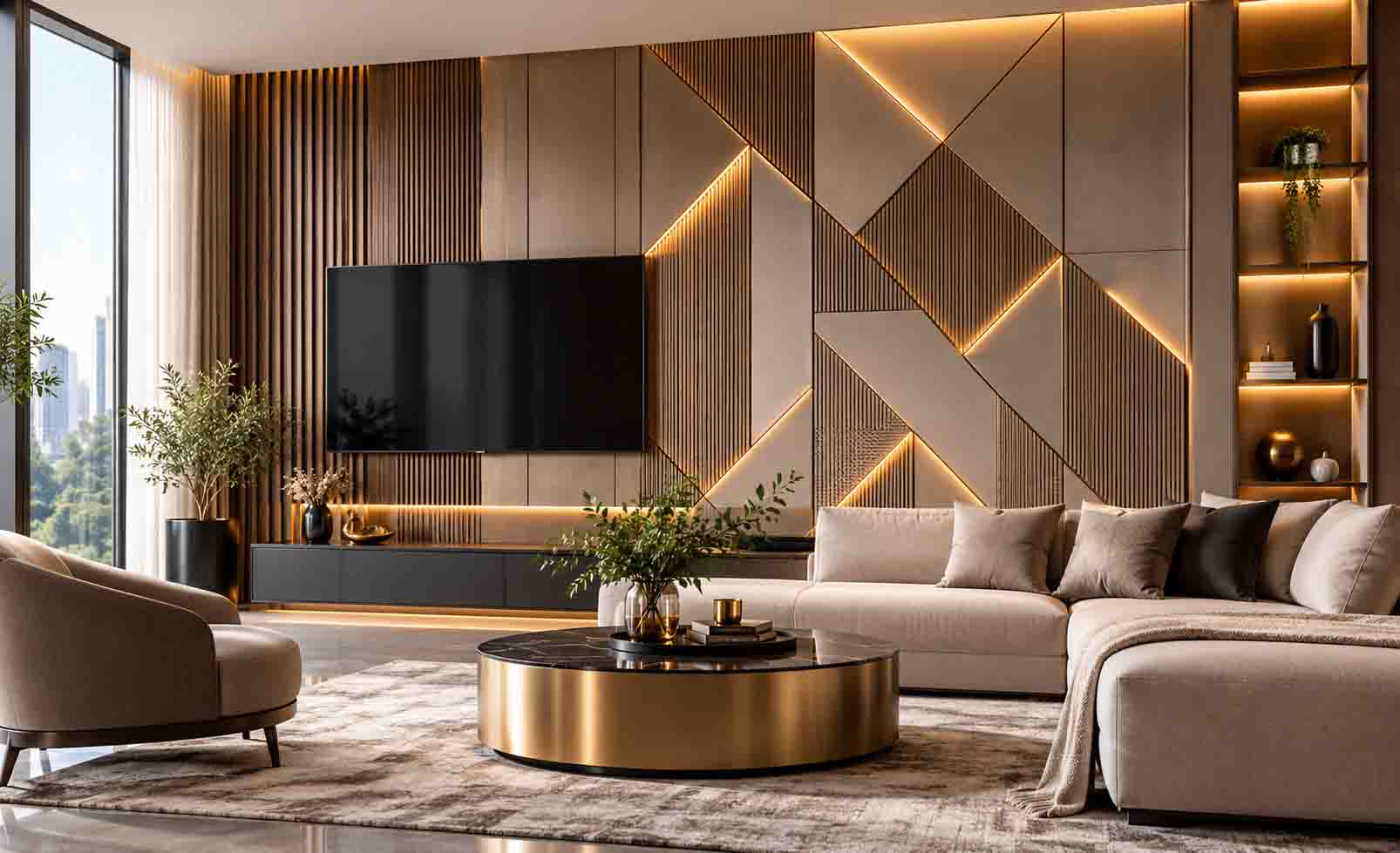
The best wall design is one that supports the room’s purpose while complementing its existing features. Before choosing a material or pattern, consider how the wall will look alongside your furniture, flooring, lighting, and architectural details.
A living room feature wall may prioritise visual impact, while a commercial reception area may require a finish that also supports frequent cleaning and regular use. Bedrooms often benefit from calming colours and tactile finishes, whereas entertainment areas may call for more pronounced contrast.
Start by identifying the main purpose of the wall. This makes it easier to narrow down suitable materials, patterns, and installation approaches.
Different materials create different visual effects. Wood-inspired finishes introduce warmth, marble-inspired panels suggest elegance, concrete-look surfaces support industrial styles, and metallic finishes add contemporary character.
Consider the overall appearance alongside the practical requirements of the space. Confirm the manufacturer’s specifications for maintenance, moisture exposure, fire performance, and installation before choosing a particular product.
A successful feature wall should complement rather than compete with the rest of the interior. If your furniture already has strong colours or patterns, a simpler wall finish may provide a better balance.
In a more neutral room, a textured panel or distinctive finish can introduce the visual interest that is missing. Always consider the size of the wall and the scale of the pattern before making your final decision.
Lighting can influence how a wall finish appears throughout the day. Reflective materials may behave differently under direct lighting, while textured surfaces can produce pronounced shadows when illuminated from the side.
Review the placement of electrical outlets, switches, doors, and windows during the planning stage. Proper preparation helps the finished wall look intentional and reduces the likelihood of awkward cuts or interruptions in the design.
Wall panels provide a way to introduce structure, texture, and a defined visual focus into an interior. They can also help connect different design elements by repeating colours, finishes, or patterns found in furniture and architectural details.
The suitability of a particular panel depends on its material, construction, installation method, and intended environment. Wall panels should not automatically be considered waterproof, soundproof, fire-resistant, or suitable for every surface; these characteristics must be confirmed through the relevant product specifications.
For residential interiors, panels can create a distinctive backdrop in living rooms, bedrooms, and entertainment areas. In commercial interiors, they can help establish a consistent aesthetic across reception areas, offices, hospitality spaces, and other customer-facing environments.
At Panneli Interiors, we understand that the right wall finish can help bring an interior design concept together. Our collection explores luxury wall panels, contemporary decorative finishes, and design possibilities for residential and commercial spaces.
If you are comparing different materials, explore our luxury wall panels to discover finishes that may suit your design goals. You can also browse our project gallery for visual inspiration and explore more specific ideas through our guides to metal wall design ideas and concrete wall design ideas.
Design wall ideas are ways to improve a wall’s appearance using materials, colours, patterns, textures, and decorative features. Popular options include wall panels, geometric designs, wood-inspired finishes, and television feature walls.
Modern interiors often feature minimalist panels, vertical profiles, geometric patterns, wood-inspired finishes, and marble-inspired surfaces. The best choice depends on the room’s style, lighting, proportions, and practical requirements.
Yes. Light-coloured panels, slim profiles, and subtle textures can add interest without overwhelming a small room. A single feature wall can create a focal point while keeping the overall design balanced.
Maintenance depends on the panel material and its manufacturer’s instructions. Many finishes can be cleaned with a soft cloth, but the appropriate cleaning products and methods should always be confirmed for the specific panel.
Some wall panel systems offer custom profiles, dimensions, colours, or finishes for different design requirements. Suitability depends on the product range, installation conditions, and the intended application.
Explore our luxury wall panel collection at Panneli Interiors and browse our project gallery to find inspiration for transforming your living space.