

A brickwork wall design can instantly add texture, character, and visual depth to an interior or exterior space. From warm traditional brickwork to sleek contemporary interpretations, brick-inspired walls can complement a wide range of architectural styles without dating a room.
Modern wall treatments let you achieve the distinctive look of brick while creating a more refined, coordinated finish. Whether you are designing a living room, bedroom, commercial space, entryway, or exterior feature, the right brick wall design can become a strong architectural focal point.
For homeowners and designers in New Jersey, brick-inspired finishes can also provide a practical way to introduce architectural character into residential and commercial interiors. Here are 15 brickwork wall design ideas to consider for your next project.
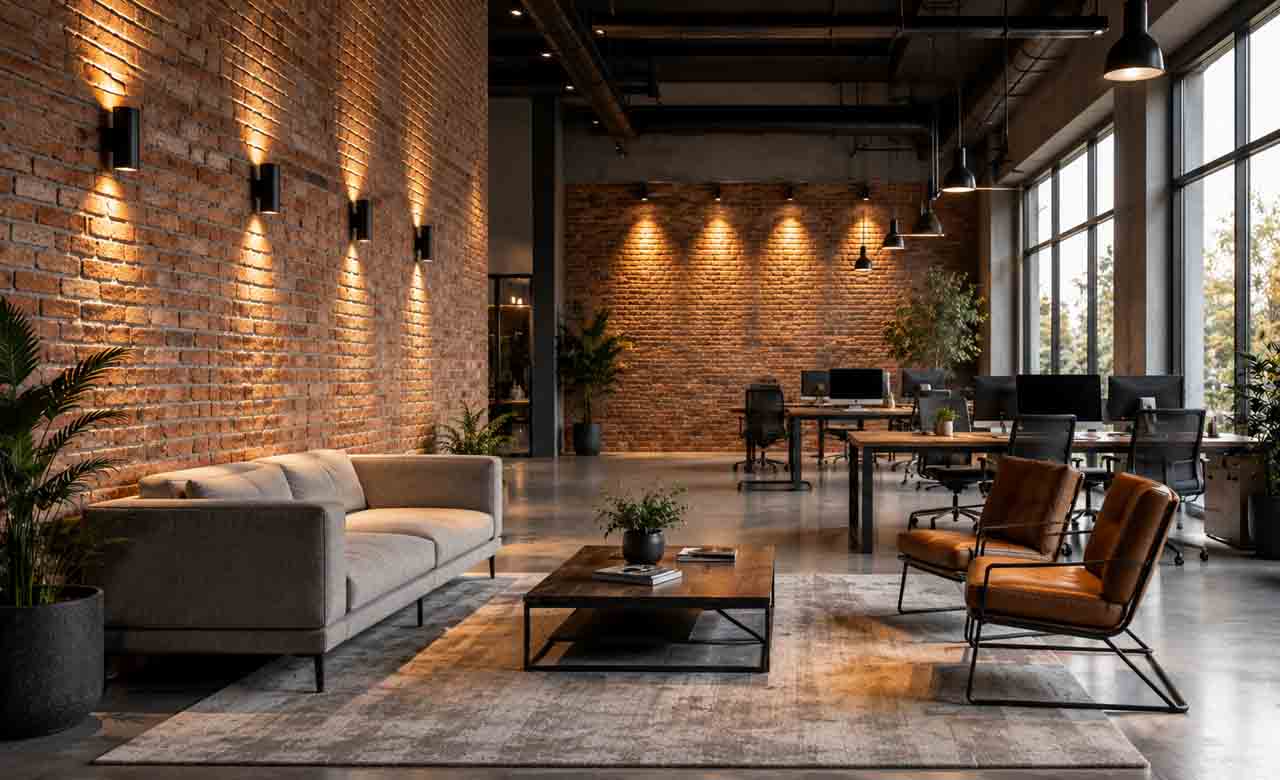
Exposed brick remains one of the most recognisable approaches to brickwork wall design. Its irregular texture, warm tones, and natural variation can create a relaxed architectural character in living rooms, dining areas, bedrooms, and entertainment spaces.
A classic brick feature wall works particularly well when the surrounding finishes are kept simple. Neutral furniture, wood accents, and understated lighting allow the brick texture to become the primary visual feature.
White brick offers the texture of traditional masonry while creating a brighter and more contemporary appearance. It can make smaller rooms feel more open and works especially well with minimalist, Scandinavian, coastal, and modern interiors.
Pair white brick with light timber, neutral fabrics, black accents, or soft metallic details for a balanced modern scheme.
Dark brick can create a dramatic and sophisticated atmosphere. Charcoal, deep grey, and darker brick tones are particularly effective in media rooms, dining rooms, offices, and contemporary commercial interiors.
Because darker walls visually absorb more light, consider combining them with layered lighting and lighter furnishings. This helps maintain contrast while preserving the bold character of the wall.
A brick-inspired television wall can transform an ordinary entertainment area into a defined architectural feature. The textured background gives the television zone greater visual presence while helping organise the surrounding space.
Television wall panels can also be incorporated with shelving, cabinetry, lighting, and concealed cable solutions to create a more cohesive media wall. This approach is useful when you want the character of brick without allowing the wall texture to overwhelm the television.
Brick and wood create a natural contrast between rough architectural texture and warm organic surfaces. This combination works particularly well in contemporary living rooms, restaurants, offices, reception areas, and hospitality spaces.
Consider using wood around selected portions of a brick feature wall rather than covering the entire surface. Decorative wooden panels for walls can provide warmth and definition while allowing the brick-inspired finish to remain visually prominent.
Brickwork does not always need to cover an entire room. A smaller accent wall can introduce texture without competing with artwork, furniture, or architectural details.
This approach is especially effective in minimalist interiors where a limited number of materials are used. One carefully selected brick feature can provide enough visual interest to prevent a neutral space from feeling flat.
A brick feature behind the bed can serve as an architectural alternative to a conventional upholstered headboard. The texture establishes a natural focal point while adding depth to the bedroom.
For a softer result, combine brick-inspired surfaces with warm lighting, natural textiles, timber furniture, and neutral bedding. The result can feel contemporary while retaining an inviting atmosphere.
Brick is closely associated with industrial interior design because of its connection to warehouses, factories, and converted architectural spaces. An industrial brick wall works well with exposed metal, concrete-inspired surfaces, dark timber, and simple furniture.
Modern interpretations can soften the industrial look by introducing refined finishes and carefully controlled colour combinations. This creates a more polished aesthetic without losing the character of the original style.
The entryway is an ideal location for a brick feature wall because it establishes the visual tone of the property as soon as someone enters. A textured wall can make an otherwise simple hallway or foyer feel more intentional.
Combine the wall with a console table, statement mirror, accent lighting, or architectural artwork. Keeping accessories relatively restrained allows the brickwork texture to remain the main attraction.
A fireplace naturally creates a focal point, and brick can strengthen that architectural presence. A brick fireplace wall can work in both traditional and contemporary interiors depending on the colour, pattern, and surrounding materials.
For a modern interpretation, use clean-lined furniture, integrated lighting, and minimal decorative accessories. The contrast between structured architecture and textured masonry can create a sophisticated centrepiece.
Brickwork can give restaurants, cafés, bars, and hospitality spaces a distinctive visual identity. The textured surface can create a sense of warmth and architectural authenticity while providing an interesting background for signage, lighting, and artwork.
Commercial interiors require finishes that suit the demands of the space, so material selection should consider durability, cleaning requirements, installation conditions, and overall design intent.
A brick feature wall can add personality to an office without relying on excessive decoration. It can be used behind a reception desk, within a meeting room, or as a backdrop for a collaborative workspace.
In professional environments, pairing brick with contemporary furniture and clean architectural lines can prevent the space from appearing overly rustic. The result is a balance between character and modern functionality.
Brick and metallic finishes can create an elevated interpretation of an industrial aesthetic. Brushed metal, blackened metal, bronze, or other subtle metallic details can introduce contrast against the texture of a brick-inspired surface.
Use metallic accents selectively through lighting fixtures, furniture, shelving, hardware, or decorative elements. Too many contrasting materials can make the space feel visually busy.
Painting a brick-inspired wall provides flexibility when you want texture without relying on traditional brick colours. Soft beige, warm grey, muted green, white, and other neutral shades can create a more coordinated appearance.
Painted brick can be particularly useful when the goal is to match an existing interior palette. The texture remains visible while the colour integrates more naturally with the rest of the room.
For a cleaner and more controlled interpretation of brickwork, consider a decorative wall treatment designed to recreate the visual character of masonry. Modern wall panels can provide consistent patterning and a more streamlined appearance than irregular traditional brick.
This approach can also be incorporated into broader wall design ideas, allowing brick-inspired textures to work alongside other materials and architectural finishes. For projects seeking a more luxurious aesthetic, luxury wall panels can introduce additional texture, depth, and material character.
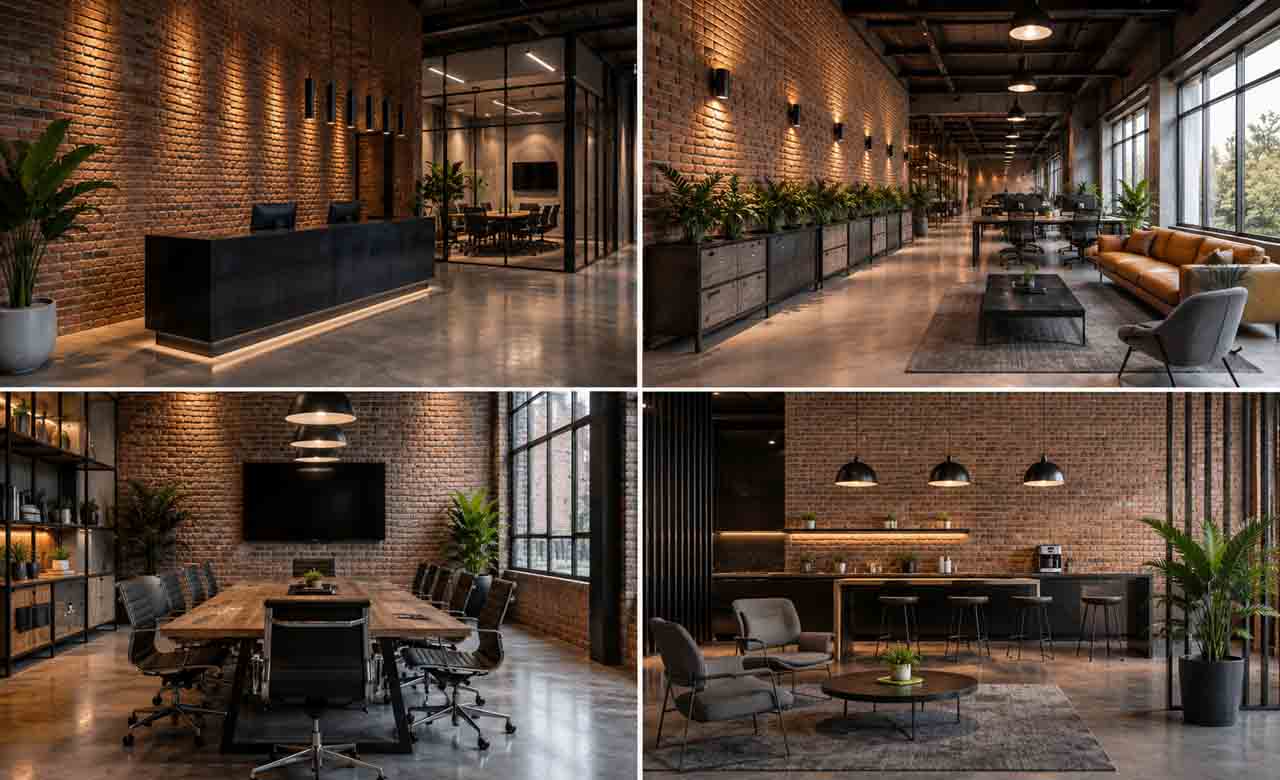
The best brick wall design depends on the room, lighting, architectural style, and surrounding materials. Before selecting a finish, consider whether you want the wall to become a dominant focal point or provide a subtle background texture.
Modern brick wall designs do not have to look rough or industrial. Contemporary panel systems and refined decorative treatments can reinterpret brick through controlled proportions, cleaner surfaces, and carefully selected colours.
For a cohesive interior, consider combining brick-inspired surfaces with other modern interior panels. Mixing complementary textures can create depth while keeping the overall design consistent.
Brick-inspired walls can be adapted to many residential applications, including living rooms, bedrooms, dining rooms, home offices, entryways, and entertainment areas. The design can be adjusted according to the room’s scale, lighting conditions, furniture, and desired atmosphere.
In commercial interiors, brick features can help establish visual identity in offices, restaurants, retail environments, reception areas, and hospitality spaces. Projects in Lakewood, New Jersey, and throughout the surrounding New Jersey market can use brick-inspired treatments to introduce architectural character while maintaining a contemporary appearance.
The enduring appeal of brick comes from its ability to combine texture, pattern, and architectural character. It can make a newly designed interior feel more established while providing a strong visual foundation for modern furniture and finishes.
Today’s design options also make it easier to reinterpret traditional brick aesthetics according to contemporary preferences. Instead of treating brick as a single style, designers can explore different colours, patterns, textures, layouts, and combinations with other premium materials.
A brickwork wall design uses brick, brick-inspired finishes, or decorative treatments to create a textured architectural feature. It can be used on interior or exterior surfaces depending on the material and application.
Yes. Brick-inspired panels can work well in modern interiors when their colour, pattern, and texture complement the surrounding architecture, furniture, and finishes.
Yes. A brick feature can work in a small room when used selectively. Lighter colours and a single accent wall can help introduce texture without making the space feel visually crowded.
Yes. Brick-inspired walls can be used in offices, restaurants, retail environments, reception areas, and other commercial spaces. The selected material should be appropriate for the location’s durability and maintenance requirements.
Maintenance depends on the specific wall material and finish. In general, follow the manufacturer’s cleaning recommendations and use suitable methods that do not damage the surface or finish.
Ready to explore a refined brickwork wall design for your next residential or commercial interior? Explore Panneli Interiors’ luxury wall panel solutions to find a finish that brings texture and character to your space.