

Wood panels bring warmth, texture, and architectural character to interiors while offering a practical way to transform plain walls. From refined feature walls to modern media spaces, wood wall panels can create a strong visual focal point without overwhelming the room.
Today’s wood panels are available in a wide range of profiles, textures, colours, and finishes, making them suitable for both contemporary and traditional interiors. Whether you are planning a residential renovation or a luxury commercial interior in New Jersey, the right wood paneling can help define the atmosphere of a space.
Wood panels for walls can introduce natural-looking texture and depth that paint or wallpaper may not provide. They can also help visually separate areas, highlight architectural features, and create a more cohesive interior design.
For premium interiors, wood panels can be combined with other decorative finishes to create layered wall compositions. Explore luxury wall panels for additional ideas on creating sophisticated feature walls.
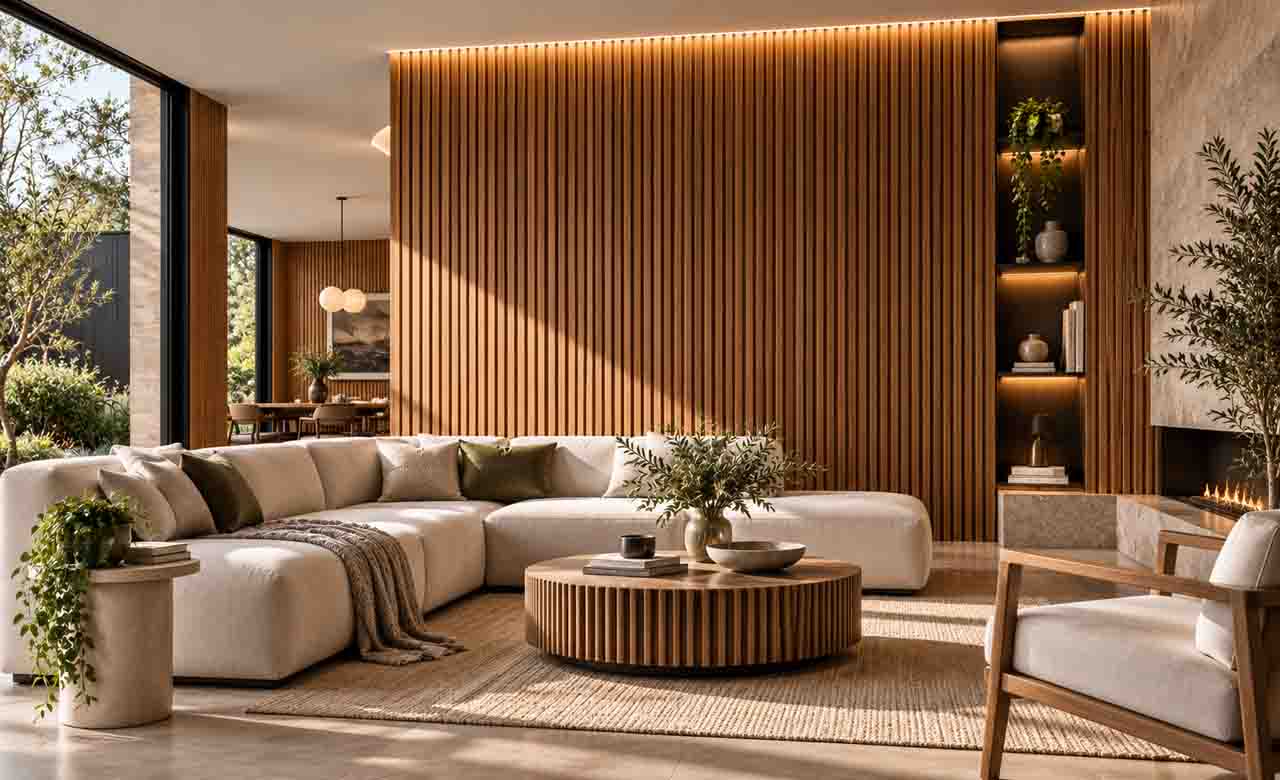
Covering an entire wall with wood panels can establish an immediate focal point in a living room, bedroom, dining area, or reception space. Choose a consistent profile and finish when you want the wall to feel architectural rather than visually busy.
A television wall can become much more than a place to mount a screen. Wood wall panels can frame the television and create a balanced media feature while concealing visual distractions around the entertainment area.
Vertical or horizontal profiles can produce different effects, depending on the proportions of the room. Darker wood tones can create a dramatic media wall, while lighter finishes can maintain an airy and contemporary appearance.
Vertical wood paneling naturally draws the eye upward, making it useful for rooms with low or standard-height ceilings. Narrow profiles can create a streamlined appearance, while wider boards produce a more substantial architectural effect.
A bedroom feature wall behind the bed can provide a warm and structured backdrop for the sleeping area. Extend the panels across the width of the bed or use them to define a specific zone within the room.
Pairing wood panels with soft lighting, neutral textiles, and understated furniture can create a comfortable modern interior without relying on excessive decoration.
Lighting can emphasise the texture and depth of wood paneling. Concealed LED strips, wall lights, or carefully positioned downlights can highlight panel profiles and create a layered effect after dark.
For a sophisticated result, consider how the lighting temperature interacts with the panel finish before installation. Warm lighting generally complements wood-inspired surfaces, while neutral lighting can provide a cleaner contemporary appearance.
Wood panels can help visually divide an open-plan interior without completely closing the space. A partially screened panel feature can separate a living area from a dining zone, home office, entrance, or lounge.
This approach maintains a sense of openness while introducing texture and architectural definition.
Minimalist interiors do not have to be plain. A carefully selected wood panel profile can add subtle texture while preserving the clean lines associated with contemporary design.
For minimalist rooms, consider natural-looking finishes, restrained colours, and simple panel arrangements rather than combining multiple patterns on the same wall.
Wood panels can be used selectively around fireplaces, niches, built-in shelving, doorways, and other architectural elements. This creates visual continuity while drawing attention to features that might otherwise blend into the background.
Instead of covering the entire wall, strategic panel placement can make a smaller amount of material create a stronger design impact.
Wood and marble-inspired surfaces can create an appealing contrast between warmth and refined stone-like texture. Use wood panels to introduce natural character while reserving a contrasting finish for selected sections of the wall.
This combination works particularly well in luxury living rooms, entrance areas, hospitality spaces, and sophisticated commercial interiors.
An entryway sets the tone for the rest of an interior, making it an ideal location for decorative wood panels. A feature wall behind a console, mirror, or artwork can create a polished first impression without requiring extensive decoration.
Choose a finish that complements the flooring, doors, furniture, and surrounding wall colours for a coordinated appearance.
Open shelving can look more integrated when installed against a textured wall. Wood panels provide a defined backdrop for books, artwork, decorative objects, and display pieces.
Keep the panel profile relatively consistent when the shelving already contains several decorative elements. This helps prevent the wall from competing with the items displayed on it.
A dining room can benefit from a dedicated feature wall that establishes a visual centre for the space. Wood panels can be installed behind a dining table, sideboard, artwork, or statement lighting fixture.
For modern interiors, consider combining simple panel lines with furniture in complementary neutral tones.
Wood panels are not limited to residential spaces. They can be incorporated into reception areas, offices, retail environments, hospitality venues, meeting rooms, and other commercial interiors where material selection contributes to the overall customer experience.
In commercial projects, consider durability, maintenance requirements, traffic levels, lighting, and the relationship between the wall treatment and the brand environment.
Using different panel widths can introduce rhythm and variation without relying on complicated patterns. This technique works particularly well when you want a feature wall to feel custom-designed rather than repetitive.
The proportions should still be carefully planned so the different widths create intentional variation rather than visual clutter.
Wood panels can form part of a larger wall composition that includes painted surfaces, metallic details, textured materials, mirrors, or other architectural finishes. This approach allows designers to create distinct zones within a single interior.
For additional inspiration, explore wooden decorative panels and browse wall panel designs to compare different approaches to decorative wall treatments.
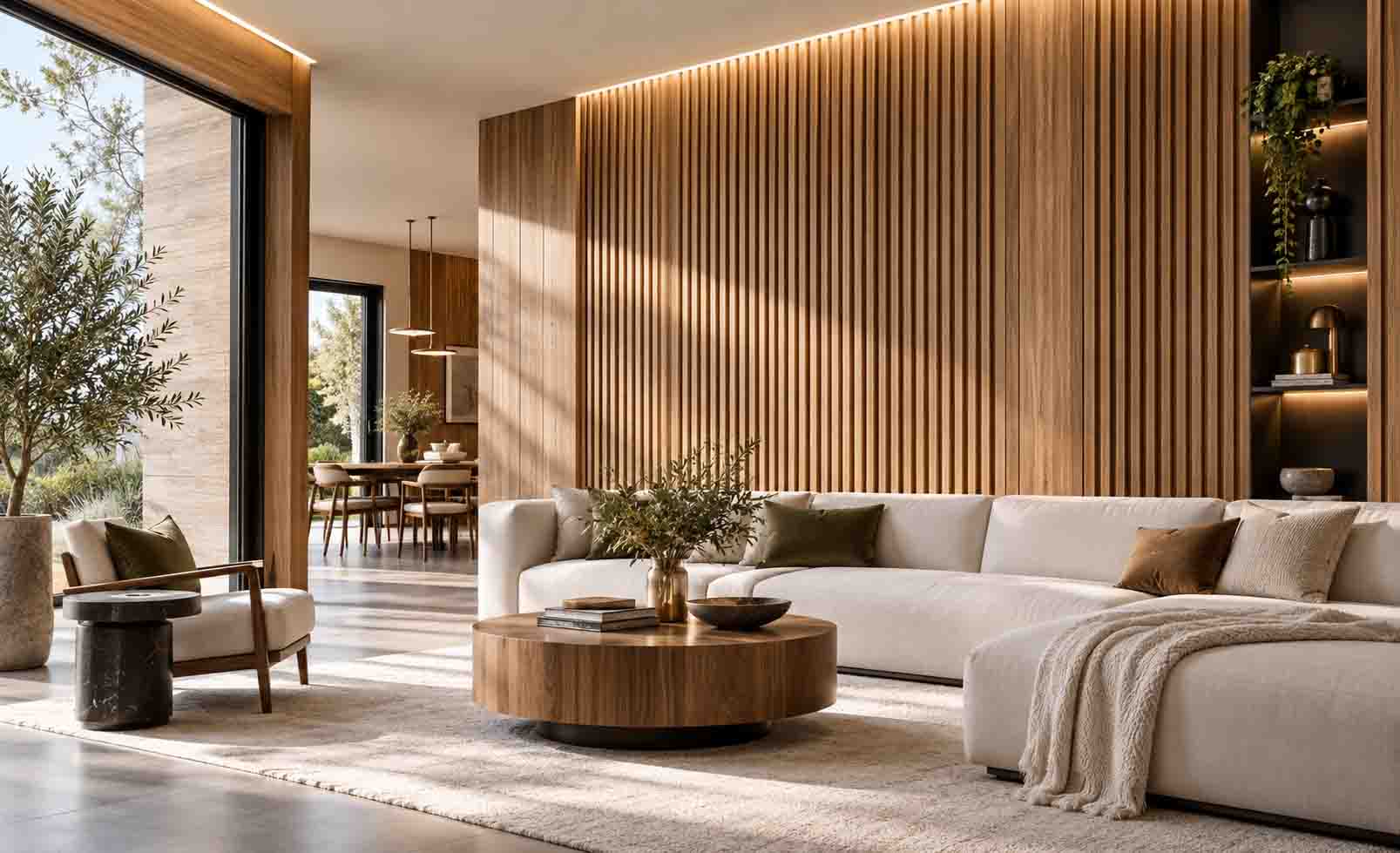
The best wood panels depend on the room, desired aesthetic, available wall area, lighting, and surrounding materials. Before selecting a profile, consider whether the wall is intended to be a subtle background or a primary architectural feature.
Wood panels can work across a broad range of residential and commercial interiors in New Jersey. In Lakewood, NJ, homeowners and designers can use decorative wood panels to create feature walls that complement modern furniture, architectural lighting, and premium interior finishes.
Commercial projects can use the same design principles to create more defined reception areas, meeting spaces, retail environments, and hospitality interiors. The key is to select a panel style that supports the function of the space as well as its visual character.
Maintenance requirements depend on the specific panel material and finish. In general, regular dusting and gentle cleaning with suitable products can help preserve the appearance of decorative wall surfaces.
Avoid harsh chemicals or abrasive cleaning methods unless the manufacturer’s care instructions specifically recommend them. For commercial environments or high-traffic areas, establish a simple cleaning routine appropriate to the selected finish.
Wood panels are used to add texture, warmth, and architectural interest to interior walls. They can be installed on feature walls, TV walls, bedrooms, entryways, offices, and commercial interiors.
Yes. Wood wall panels can complement modern interiors through simple profiles, clean lines, contemporary finishes, and carefully planned layouts.
Depending on the manufacturer and product, wood panels can be available in different profiles, dimensions, colours, textures, and finishes. Customisation options should be confirmed for the specific panel system.
Decorative wood panels can be used in residential spaces such as living rooms, bedrooms, dining areas, and entryways, as well as commercial environments including offices, hospitality spaces, and retail interiors.
Maintenance depends on the panel material and finish. Regular dusting and gentle cleaning using products suitable for the specific surface can help maintain its appearance, while abrasive cleaners should generally be avoided unless recommended by the manufacturer.
Explore Panneli Interiors’ wood panel solutions to find a sophisticated wall treatment for your next residential or commercial interior project.