

Concrete wall design has become a defining feature of modern luxury interiors, bringing together raw textures, architectural simplicity, and contemporary elegance. From industrial-inspired living rooms to sophisticated bedrooms, concrete-look finishes create a distinctive visual impact without overwhelming the surrounding decor.
At Panneli Interiors, we appreciate how concrete-inspired aesthetics can transform ordinary walls into striking design features. By combining textured surfaces, complementary materials, and carefully selected finishes, homeowners and designers can achieve the character of concrete while maintaining a refined, luxurious atmosphere.
Whether you are renovating a residential property or planning a commercial interior, these 19 concrete wall design ideas will help you explore different ways to introduce texture, depth, and modern architectural style into your space.
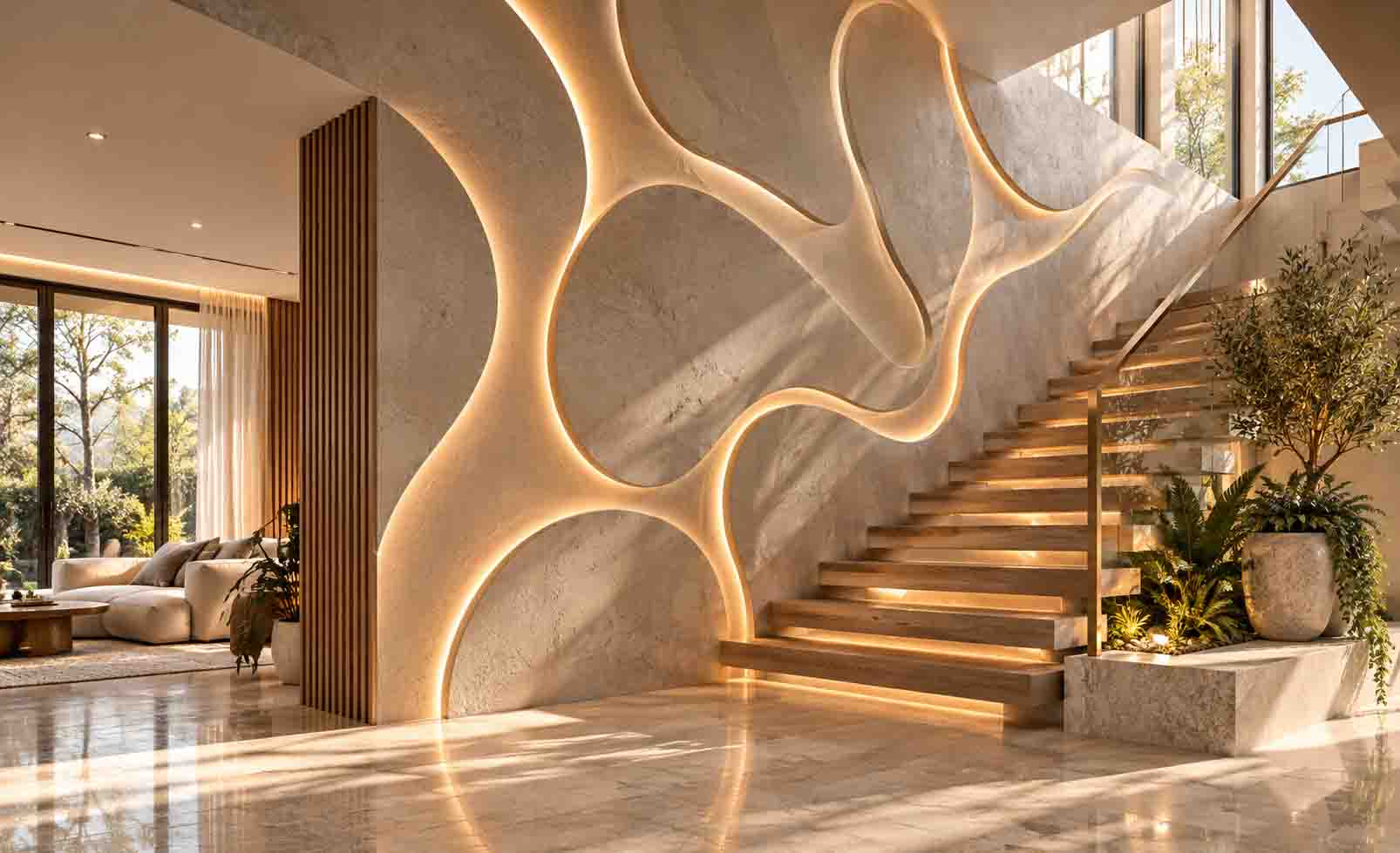
A concrete feature wall can become the focal point of a modern living room. Its subtle texture and neutral colour palette provide an architectural backdrop for upholstered furniture, sculptural lighting, and carefully selected decorative accessories.
For a luxurious appearance, consider a concrete-look finish in warm grey or soft beige. Pair it with comfortable seating, natural wood accents, and layered lighting to create a balanced space that feels contemporary rather than cold.
A television wall is an excellent place to introduce concrete-inspired textures. A carefully designed TV feature wall creates a visual anchor for the living area while helping the television blend into the overall interior scheme.
Consider combining a concrete-look surface with dark wood, metallic details, or integrated LED lighting. At Panneli Interiors, we explore decorative wall solutions that can help create distinctive entertainment spaces without relying on plain painted walls.
Concrete and wood create a compelling contrast between industrial simplicity and natural warmth. The muted appearance of concrete balances the organic grain of wood, making this combination suitable for contemporary homes and upscale commercial interiors.
Use a concrete-look wall as the main feature and introduce wooden decorative panels on selected sections. This approach works particularly well in open-plan living rooms, dining areas, and modern reception spaces.
Concrete-inspired walls can bring understated sophistication to a bedroom when paired with soft furnishings and warm lighting. Rather than using dark, heavily textured surfaces throughout the room, choose a restrained finish behind the bed to create a subtle focal point.
Combine the wall with upholstered headboards, neutral bedding, linen curtains, and warm timber furniture. The contrast between the textured surface and soft materials creates a relaxing atmosphere with a modern architectural edge.
Warm grey is a versatile choice for concrete wall design because it complements many interior styles. Unlike cooler grey tones, warm grey can create a more inviting appearance when paired with cream, taupe, beige, or natural wood.
This finish is suitable for living rooms, hallways, offices, and hospitality interiors. Choose complementary flooring and furniture to maintain a cohesive palette throughout the space.
Minimalist interiors depend on proportion, material quality, and simplicity rather than excessive decoration. A concrete-look wall introduces visual interest while preserving the clean lines that define this design approach.
Keep furniture streamlined and limit decorative accessories to a few carefully chosen pieces. The wall texture can provide enough character to make the room feel considered without adding unnecessary visual clutter.
A concrete-inspired feature wall can give a dining area a distinctive architectural identity. Its understated finish works well with a solid timber dining table, upholstered chairs, and pendant lighting positioned above the table.
For a more refined result, introduce metallic accents or a large piece of artwork. The key is to balance the wall’s texture with materials that add warmth and sophistication.
Hallways often receive less attention than living rooms and bedrooms, yet they provide an opportunity to establish the design language of a home. A concrete-look wall adds depth and visual interest to an otherwise simple transition space.
Pair the finish with recessed lighting, a slim console table, or a decorative mirror. In narrow hallways, lighter concrete tones and carefully positioned lighting can help the space feel more open.
A concrete feature wall can give a home office a professional and visually structured appearance. Its understated texture provides a suitable background for desks, shelving, and carefully arranged accessories.
Combine the wall with warm wood, ergonomic furniture, and task lighting. For video calls, a restrained concrete-look finish can also create a polished background without competing with the person on screen.
Black metal accents reinforce the architectural character of concrete-inspired interiors. Window frames, lighting fixtures, shelving supports, and furniture legs can create strong visual lines against a textured grey wall.
To prevent the room from feeling too dark, introduce lighter upholstery, natural wood, or soft neutral textiles. This combination is particularly effective in contemporary apartments, loft-inspired spaces, and modern commercial interiors.
Concrete-inspired finishes and marble-effect surfaces can work together to create a sophisticated contrast between understated texture and decorative movement. The concrete-look surface provides a quiet background, while marble-inspired details introduce pattern and visual refinement.
Consider using the concrete finish across a larger wall area and reserving the marble effect for a feature section or architectural detail. This arrangement helps each material contribute to the overall design without competing for attention.
Reception areas establish the first impression of offices, showrooms, hospitality venues, and other commercial spaces. A concrete-look feature wall can communicate a contemporary design identity while providing a neutral backdrop for signage, lighting, and furniture.
Consider the relationship between the wall finish, brand colours, flooring, and reception desk. At Panneli Interiors, our decorative wall solutions can help designers explore material combinations for distinctive commercial interiors.
Open shelving stands out against a textured wall because the contrast creates depth and highlights the objects displayed. Concrete-look finishes can complement floating timber shelves, dark metal brackets, and minimalist display units.
Use a restrained selection of books, ceramics, artwork, and decorative accessories to avoid overcrowding the wall. This approach works well in living rooms, home offices, and contemporary retail environments.
Concrete-inspired walls are not limited to large industrial-style interiors. Light grey, pale greige, and softly textured finishes can introduce architectural character into compact rooms without making them feel visually heavy.
Combine lighter wall tones with mirrors, uncluttered furniture, and consistent lighting. Limiting the feature to one wall can also help maintain balance in smaller apartments, bedrooms, and home offices.
Lighting can dramatically change the appearance of a concrete-look wall. Side lighting, wall washers, and concealed LED strips can emphasise surface variations and create subtle shadows that reveal the finish’s texture.
Before selecting the lighting, consider the wall’s texture, colour, and viewing angle. A carefully planned lighting arrangement can make even a restrained concrete-inspired surface feel more dimensional and sophisticated.
Concrete wall aesthetics are well suited to contemporary offices, retail environments, showrooms, and hospitality spaces. The neutral finish can complement different furniture styles, brand identities, and decorative materials.
For commercial projects, evaluate durability, cleaning requirements, installation conditions, and the expected level of daily use. The appropriate decorative panel or wall finish will depend on the location and performance requirements of the space.
Textured concrete-look wall panels offer another way to achieve the visual character of concrete. Depending on the product, they can provide more consistent patterns, defined surface details, and design flexibility compared with an improvised decorative treatment.
When selecting a panel, consider its dimensions, finish, installation method, and suitability for the intended environment. Explore our luxury wall panels to discover decorative wall solutions that can complement contemporary interior concepts.
A successful concrete wall design often depends on the materials surrounding it. A coordinated palette of grey, cream, taupe, beige, and natural wood creates a layered appearance while preserving the understated character of concrete-inspired finishes.
Introduce variation through upholstery, rugs, artwork, and decorative objects rather than relying on multiple competing wall treatments. This creates a more cohesive interior that can adapt to changing furniture and accessories over time.
Custom decorative panels allow designers to explore concrete-inspired aesthetics alongside other textures and finishes. Combining concrete-look surfaces with wood-inspired, metallic, or marble-inspired panels can create a distinctive feature wall tailored to the proportions and style of a room.
The most effective designs establish a clear focal point and use complementary finishes to support it. At Panneli Interiors, we help homeowners and designers explore decorative wall concepts that bring together contemporary textures and luxury interior styling.
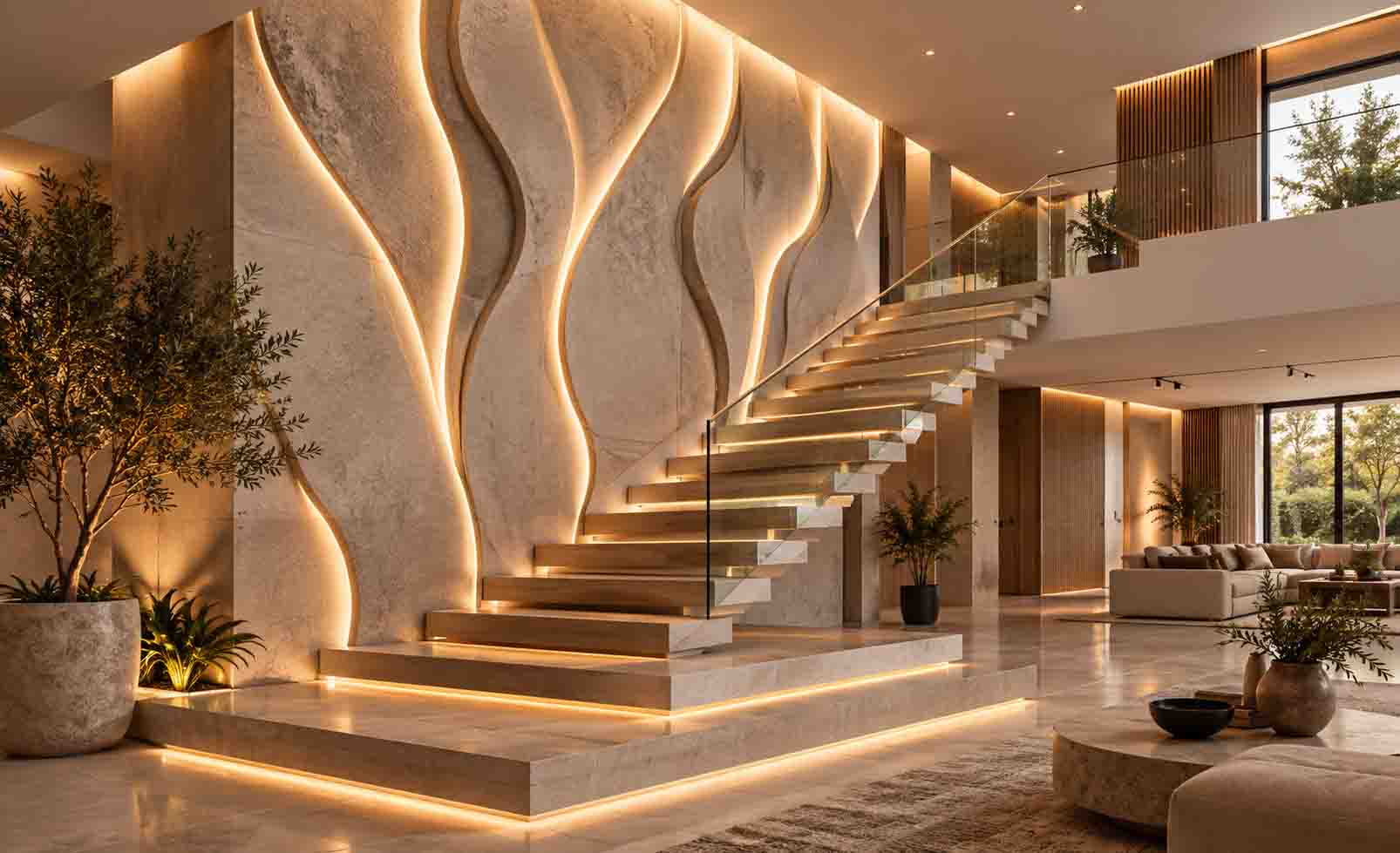
Selecting a concrete-inspired finish involves more than choosing a shade of grey. The right solution should complement the room’s proportions, lighting conditions, furniture, and intended use. Consider these factors before making a decision:
For projects where the visual effect of concrete is the priority, concrete-look decorative panels may provide an alternative to exposed structural concrete. They should not be assumed to have the same structural, fire, acoustic, or moisture-resistant properties; these depend on the specific product and its tested specifications.
Concrete-inspired finishes bring a distinctive combination of texture, restraint, and architectural character to interior spaces. Their neutral appearance makes them adaptable to minimalist, industrial, contemporary, and luxury design schemes.
They can also work alongside other decorative wall treatments to create contrast and depth. By combining thoughtful material selection with appropriate lighting and balanced proportions, designers can create interiors that feel sophisticated without relying on excessive ornamentation.
At Panneli Interiors, our focus is on decorative wall solutions that help residential and commercial spaces express their own design identity. Concrete-inspired aesthetics can form part of that vision, particularly when paired with complementary finishes and carefully considered details.
Concrete wall design refers to the use of concrete surfaces or concrete-inspired finishes to introduce texture, neutral colours, and architectural character into an interior. It can include exposed concrete, decorative coatings, and concrete-look wall panels.
Yes. Concrete-look wall panels can complement luxury interiors when combined with suitable lighting, quality furniture, and materials such as wood, metal, glass, or marble-inspired finishes. The final appearance depends on the product’s texture, colour, and installation quality.
Yes. Light grey and softly textured concrete-look finishes can add visual interest to small rooms. Using the finish on one feature wall and combining it with good lighting and uncluttered furniture can help maintain a balanced appearance.
Maintenance depends on the panel material and its surface coating. Follow the manufacturer’s cleaning instructions, use compatible cleaning products, and avoid abrasive methods unless the product specifications expressly permit them.
Wood, black metal, glass, marble-inspired finishes, and neutral textiles can complement concrete-inspired walls. The best combination depends on the room’s lighting, intended atmosphere, and overall interior design style.
Explore the decorative wall solutions available at Panneli Interiors or contact our team to discuss finishes that suit your next luxury interior project.