

A well-designed wall can completely transform the appearance of an interior. Whether you’re updating a kitchen backsplash, refreshing a bathroom, or creating an eye-catching feature wall, choosing the right tile size, layout, colour, and finish can make a significant difference. One versatile option worth exploring is the 4 x 16 tile, a rectangular format that offers plenty of creative possibilities.
At Panneli Interiors, we believe that beautiful interiors start with thoughtful design choices. While traditional square tiles remain popular, rectangular tiles provide greater flexibility for creating contemporary, classic, and sophisticated spaces. Their elongated proportions can make walls appear taller, wider, or more visually dynamic, depending on how they are arranged.
In this guide, we’ll explore 15 inspiring 4 x 16 tile design wall ideas, covering different patterns, orientations, colours, and finishes. We’ll also share practical design considerations to help you choose a layout that complements your interior style.
A 4 x 16 tile measures approximately four inches by sixteen inches, giving it an elongated rectangular shape. Its proportions make it suitable for different installation patterns, from traditional brick arrangements to more contemporary vertical and geometric layouts.
One of the biggest advantages of this tile format is its versatility. It can introduce subtle texture to a minimalist interior, create a decorative backsplash, or become a defining feature in a carefully designed living space.
Here are some reasons homeowners and designers consider this tile size:
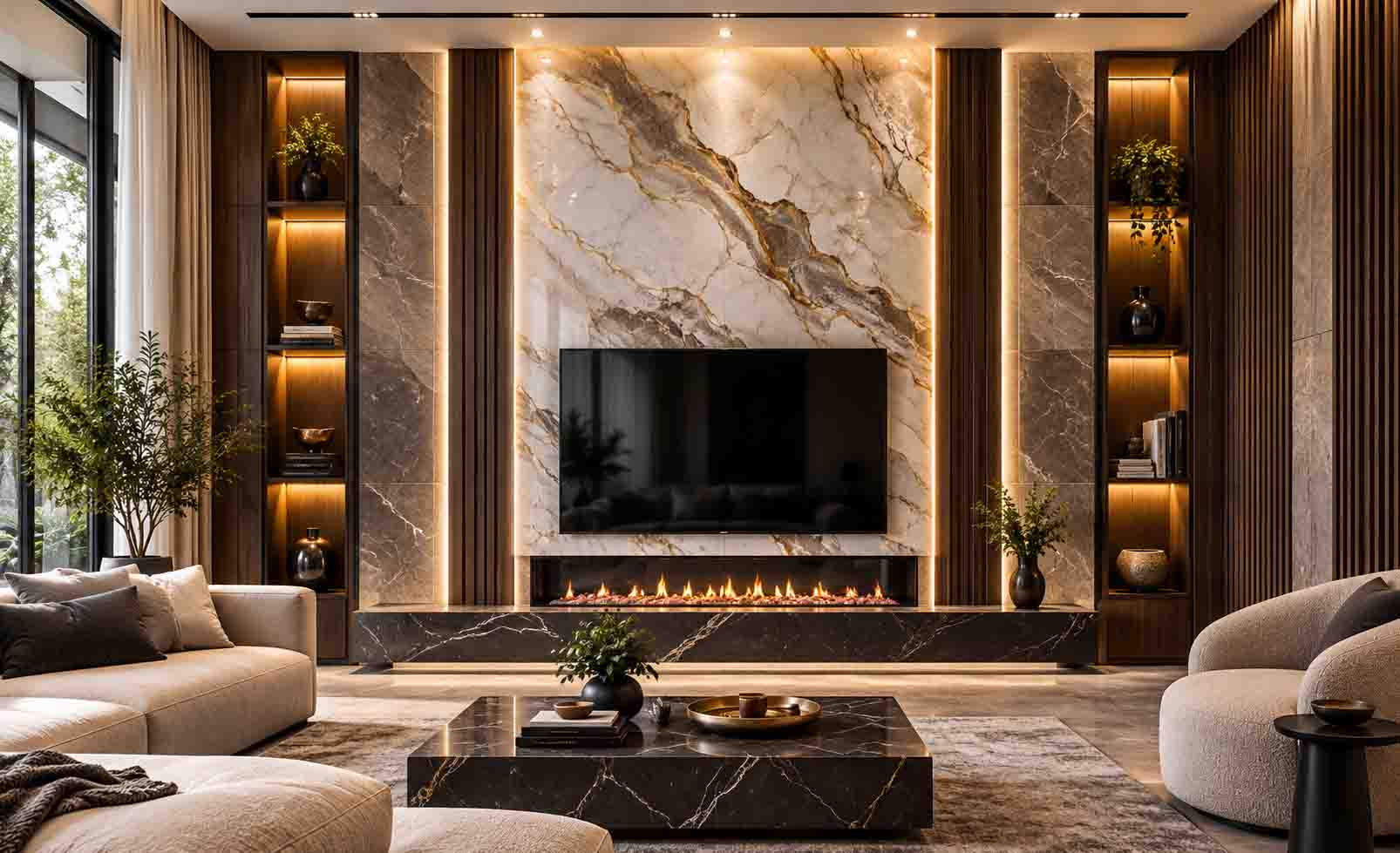
Whether you prefer understated elegance or a more decorative appearance, these ideas demonstrate how different tile arrangements can influence the overall atmosphere of a room.
A horizontal brick layout is one of the most recognisable ways to install rectangular tiles. Each row is offset from the previous one, typically by half the length of a tile, creating a traditional running-bond pattern.
This arrangement works particularly well in kitchens and bathrooms where a clean, organised appearance is desired. White, cream, and light grey tiles can create a timeless finish, while darker grout introduces additional definition.
For a more contemporary appearance, consider arranging 4 x 16 tiles vertically in straight columns. Unlike traditional brick patterns, this installation creates continuous vertical lines that draw the eye upwards.
This approach is particularly effective in bathrooms with lower ceilings or smaller wall sections. Choose white, beige, or soft stone-inspired finishes for an understated look, or experiment with darker colours for a dramatic statement.
If you prefer a minimalist interior, a horizontal stacked arrangement is worth considering. Tiles are installed directly above one another, creating consistent vertical grout lines and a symmetrical appearance.
This layout works beautifully in contemporary kitchens, bathroom walls, and modern decorative spaces. Matching grout to the tile colour creates a seamless effect, while contrasting grout makes the rectangular pattern more noticeable.
White glossy tiles are a versatile choice for interiors that benefit from a brighter and more reflective appearance. Their smooth surfaces reflect available light, helping smaller rooms feel more open.
Consider using them as a kitchen backsplash or bathroom wall covering. Pair them with natural wood cabinetry, brushed metal fixtures, or marble-inspired surfaces to create a balanced and sophisticated design.
Dark charcoal tiles can introduce depth and visual contrast into an interior. Their understated colour makes them suitable for contemporary spaces where a bold but refined appearance is preferred.
A horizontal brick pattern creates a more traditional feel, while vertical stacked installation produces a sharper architectural effect. Balance darker tiles with lighter cabinetry, warm lighting, and natural materials to prevent the space from feeling too heavy.
Neutral colours remain a popular choice for creating comfortable and timeless interiors. Beige and cream 4 x 16 tiles introduce warmth without overwhelming the surrounding décor.
These shades work particularly well in bathrooms, kitchens, and transitional interiors. Combine them with wooden furniture, warm metallic accents, and natural stone-inspired surfaces for a cohesive appearance.
A herringbone layout creates movement by arranging rectangular tiles in alternating perpendicular directions. The resulting zigzag pattern adds visual interest and makes an ordinary wall more decorative.
This design is particularly attractive for kitchen backsplashes and selected bathroom feature areas. Neutral tiles keep the pattern sophisticated, while contrasting colours make the geometric arrangement more prominent.
Because this layout requires careful alignment and cutting, professional installation can help achieve a consistent result.
A vertical brick arrangement combines the familiar offset pattern with an upward orientation. Instead of positioning the tiles horizontally, each rectangular tile is installed vertically with staggered joints.
This approach offers a more distinctive take on traditional subway-style tiling. It suits bathroom walls, kitchen backsplashes, and contemporary interiors where you want a little extra visual character.
Marble-inspired finishes offer an elegant way to introduce natural-looking veining and subtle surface variation. They can complement both traditional and contemporary interiors.
Use these tiles in bathrooms, powder rooms, or decorative kitchen areas. Pair them with understated cabinetry and metallic fixtures to maintain a balanced appearance without competing with the veining.
Sometimes, the grout makes just as much difference as the tile itself. Choosing a contrasting grout colour can emphasise the rectangular shape and installation pattern.
For example, white tiles with dark grey grout create a defined geometric appearance. Alternatively, matching beige tiles with slightly darker grout introduce subtle texture while maintaining a warm colour palette.
When selecting grout, consider the surrounding finishes and how easily the colour will show dirt or discolouration over time.
Green tiles can introduce a refreshing natural element into an interior. Shades such as sage, olive, and deep emerald offer different moods, ranging from relaxed and organic to bold and luxurious.
A glossy green 4 x 16 tile arrangement can work particularly well behind a bathroom vanity or as a kitchen backsplash. Combine it with natural wood, cream surfaces, or brushed brass details for an inviting design.
Matte black tiles offer a sophisticated alternative to traditional glossy finishes. Their understated surface creates a contemporary appearance without relying on excessive decoration.
Consider using them on a bathroom feature wall, behind a vanity, or in a modern kitchen. Pairing matte black tiles with warm wood, light stone, and metallic accents can create an attractive contrast.
For smaller rooms, consider limiting the darker finish to one section of the wall to maintain visual balance.
For something less conventional, a diagonal arrangement introduces a different sense of movement. Positioning rectangular tiles at an angle creates a more dynamic surface and breaks away from standard horizontal and vertical patterns.
This design can work as a decorative feature in selected areas, particularly where the wall needs additional visual interest. However, diagonal installation generally requires more cutting and careful planning.
Combining two complementary tile colours is another way to create an individual wall design. You could use a lighter colour for the main wall and a darker shade to highlight a specific section.
For example, white and soft grey tiles can create a subtle transition, while cream and charcoal introduce stronger contrast. This approach is particularly useful for defining different areas within bathrooms and other interior spaces.
Keep the colour combination consistent with your cabinetry, flooring, and other decorative finishes.
If you want a wall with more character, consider tiles featuring subtle surface irregularities, handmade-inspired edges, or dimensional finishes. These details introduce depth and create interesting variations as light moves across the surface.
Textured tiles can work beautifully in bathrooms, kitchen backsplashes, and selected decorative areas. Neutral shades maintain an elegant appearance, while richer colours make the surface more noticeable.
When choosing textured finishes, consider cleaning requirements and whether the product is suitable for the intended wall application.
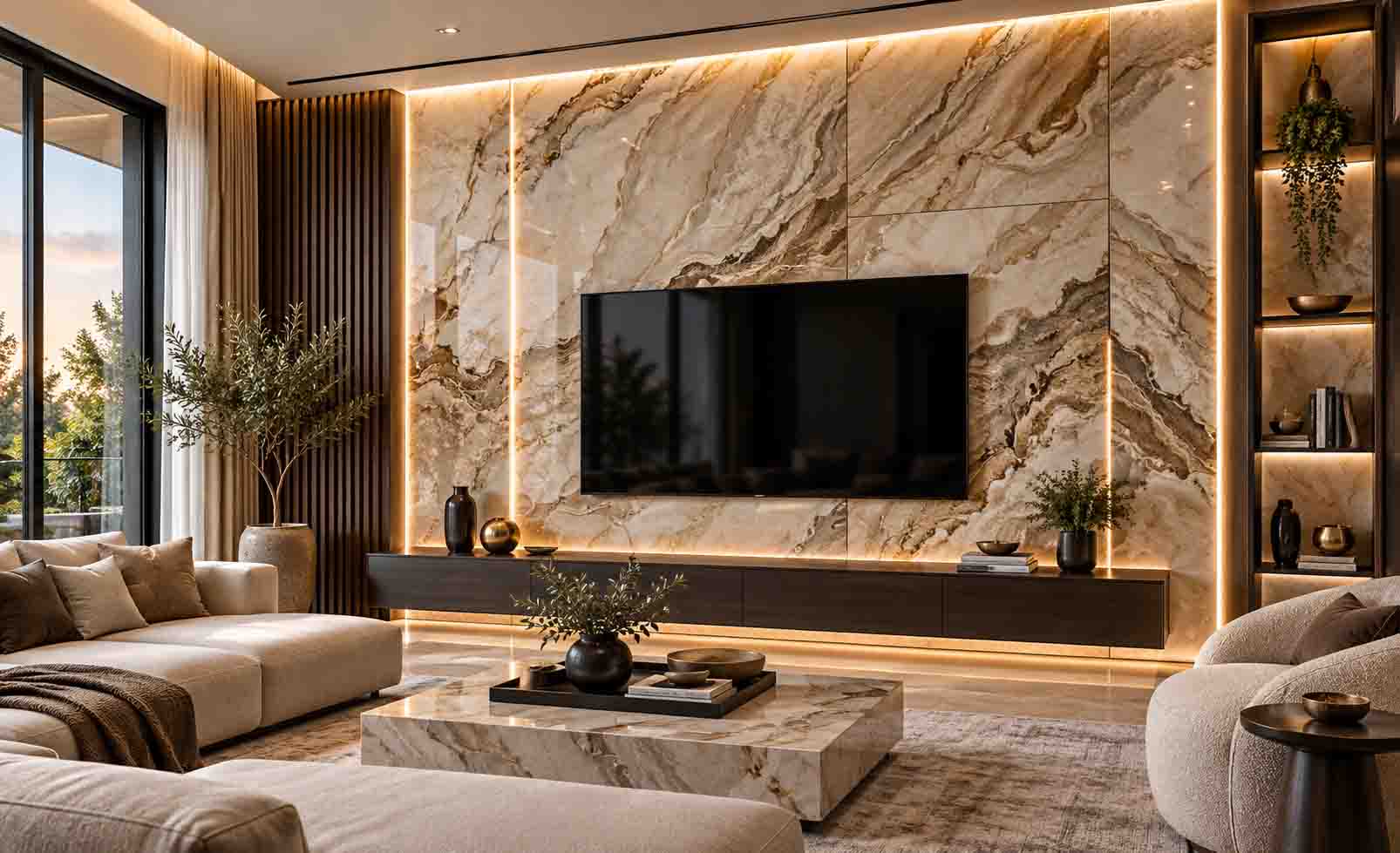
Selecting an attractive tile pattern involves more than choosing a colour you like. The room’s dimensions, lighting conditions, existing materials, and overall design direction should all influence your decision.
Here are several considerations to help narrow down your options.
Tile orientation can influence how a room is visually perceived. Horizontal arrangements can emphasise the width of a wall, while vertical patterns draw attention upwards.
For smaller spaces, consider lighter colours and simpler layouts that avoid creating excessive visual contrast.
Your tile colour should work naturally with the surrounding interior finishes. Consider cabinetry, countertops, flooring, fixtures, and furniture before selecting a final shade.
Neutral colours offer flexibility, while darker or more saturated finishes can establish a stronger focal point.
Grout can either blend into the overall design or become a decorative feature.
Matching grout creates a more continuous surface, whereas contrasting grout highlights individual tiles and their arrangement. Consider maintenance requirements as well as appearance when making your selection.
Glossy, matte, textured, and polished surfaces each create a different visual effect.
Glossy finishes reflect more light, matte surfaces offer a softer appearance, and textured finishes introduce additional depth. The right choice depends on the room’s lighting, intended use, and overall aesthetic.
Not all tiles are designed for the same applications. Before purchasing, check the manufacturer’s specifications for moisture resistance, cleaning requirements, slip characteristics where relevant, and suitability for the intended installation area.
For showers and other wet locations, use products specifically rated for those applications.
If you’re deciding between different installation patterns, the following comparison can help you understand their visual characteristics.
|
Tile Layout |
Visual Appearance |
Suitable Applications |
|
Horizontal brick |
Traditional and balanced |
Kitchens and bathrooms |
|
Vertical stacked |
Clean and elongated |
Bathroom walls and feature areas |
|
Horizontal stacked |
Minimalist and symmetrical |
Contemporary kitchens |
|
Herringbone |
Decorative and dynamic |
Backsplashes and feature walls |
|
Vertical brick |
Modern with a traditional influence |
Bathrooms and kitchens |
|
Diagonal |
Distinctive and directional |
Selected feature areas |
|
Two-tone |
Contrasting and decorative |
Accent walls and backsplashes |
Yes. The elongated rectangular format works particularly well with modern interior styles because it provides flexibility in how a wall is arranged and finished.
For minimalist interiors, stacked layouts and matching grout can create a clean appearance. For more decorative spaces, herringbone patterns, contrasting grout, and textured surfaces introduce additional character.
However, tiles are only one part of the overall interior design. Their appearance should complement the furniture, lighting, architectural details, and other finishes within the room.
While 4 x 16 tiles offer plenty of creative possibilities, they are not the only option for designing an attractive interior wall. Decorative wall panels provide another way to introduce texture, dimension, and distinctive finishes into residential and commercial spaces.
At Panneli Interiors, we specialise in luxury wall panels and custom decorative solutions designed to complement different interior preferences. Our collections include wood-inspired, leather-effect, metallic, and marble-inspired finishes that can help establish a more distinctive architectural appearance.
For homeowners exploring alternatives to conventional wall treatments, our design wall ideas provide additional inspiration for creating attractive and functional spaces.
You can also explore our luxury wall panel collections to discover decorative finishes and wall design possibilities for different interior styles.
A 4 x 16 tile design wall offers plenty of opportunities to personalise your interior. From classic brick arrangements and vertical stacked patterns to colourful finishes and decorative herringbone layouts, the right combination can transform an ordinary wall into an attractive design feature.
The most successful designs balance appearance with practicality. Consider your room dimensions, colour palette, grout choice, surface finish, and installation needs before you decide.
At Panneli Interiors, we believe every wall deserves thoughtful attention, whether you prefer traditional tile arrangements or contemporary decorative finishes. If you’re planning to transform your interior with luxury wall panels or a distinctive wall design, contact our Panneli Interiors team today to explore your design possibilities.
A 4 x 16 tile design wall uses rectangular tiles measuring approximately four inches by sixteen inches. These tiles can be installed in horizontal, vertical, stacked, brick, or herringbone patterns to create different decorative effects.
Yes. Lighter-coloured 4 x 16 tiles can work well in small bathrooms. Horizontal arrangements can emphasise wall width, while vertical layouts can draw the eye upwards. The final appearance also depends on lighting, grout colour, and the overall room design.
The best grout colour depends on the desired appearance. Matching grout creates a subtle and continuous finish, while contrasting grout highlights individual tiles and their arrangement. Consider the tile colour, maintenance requirements, and surrounding finishes.
Yes. Installing 4 x 16 tiles vertically creates an elongated appearance that draws attention upwards. This arrangement is popular for contemporary bathroom walls, kitchen backsplashes, and decorative feature areas.
Decorative wall panels are an alternative wall treatment that offers different colours, textures, and finishes. Their suitability depends on the product specifications and intended application. At Panneli Interiors, we offer luxury wall panel designs in wood-inspired, leather-effect, metallic, and marble-inspired finishes.