

A wood panel wall can add warmth, texture, depth and architectural character to an interior without making the space feel dated. From sleek contemporary living rooms to refined bedrooms and professional commercial interiors, wood wall ideas can be adapted to suit different layouts, colour palettes and design styles.
Whether you want a dramatic wood feature wall, a subtle wooden panel wall or a practical backdrop for a television, the right design can become an important visual element of the room. Explore these 17 wood panel wall ideas for inspiration and discover how different panel arrangements can transform modern spaces.
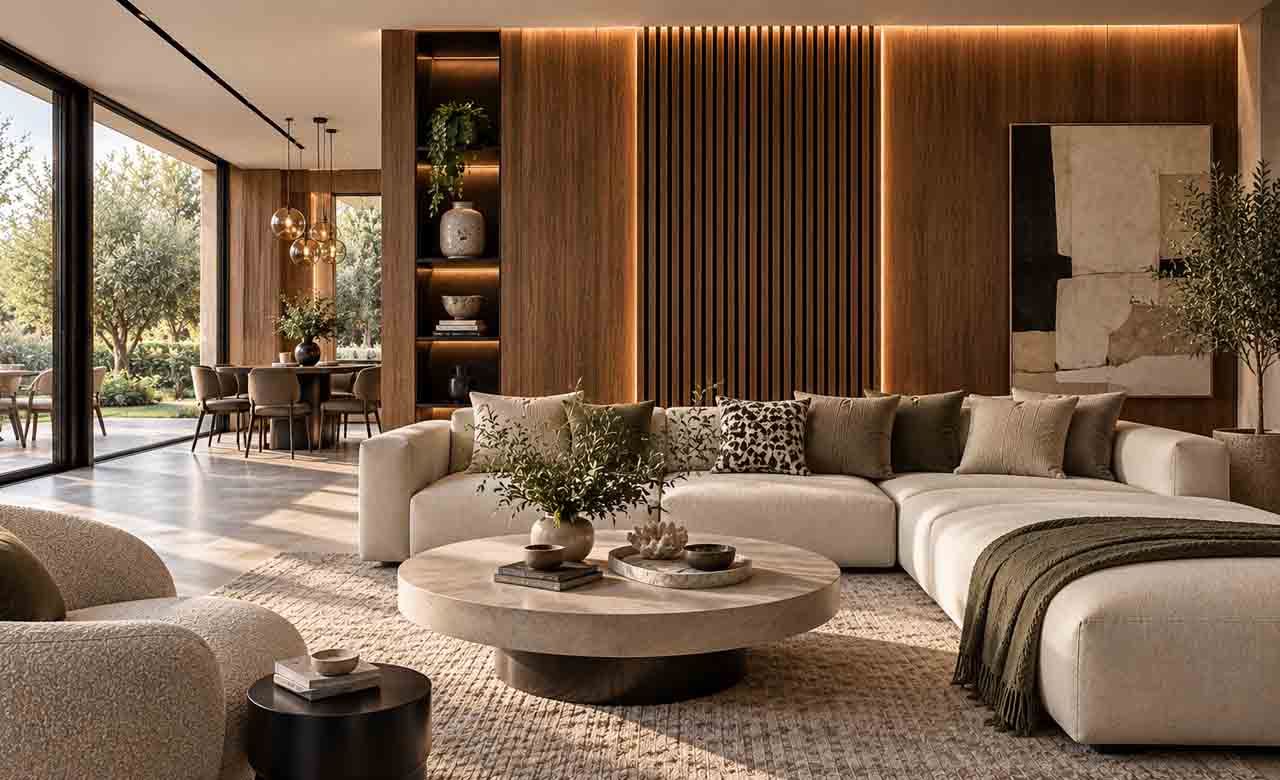
For more options and design inspiration, explore wood panels and consider how different textures, profiles, and finishes can work within your interior.
A floor-to-ceiling wood panel wall creates a strong architectural statement while making a room feel taller and more visually connected. Vertical profiles can emphasise ceiling height, while wider panels can create a calmer and more streamlined appearance.
This approach works particularly well behind sofas, beds, reception desks, or other major furniture pieces where the wall naturally becomes a focal point.
A television wall is one of the most practical places to introduce wood panels. A carefully designed wooden backdrop can frame the screen, conceal visual clutter, and create a more cohesive media area.
For a modern appearance, combine wood textures with clean lines and integrated storage. You can also explore media wall designs for additional ways to create a structured entertainment feature.
Vertical slats create rhythm and repetition across a wall while maintaining a contemporary appearance. The gaps between slats add shadow and depth, helping the surface feel dimensional without requiring an overly decorative finish.
Vertical wood wall designs are particularly effective in living rooms, entrance areas, and open-plan spaces where subtle zoning can improve the overall layout.
A living room wood accent wall can introduce natural warmth into spaces dominated by painted surfaces, stone, glass, or metal. Positioning the panels behind the main seating area can establish a visual anchor without overwhelming the rest of the room.
For a sophisticated result, coordinate the panel finish with flooring, furniture or architectural details rather than matching every element exactly.
Wood panels can create a warm and relaxing backdrop behind a bed. A headboard-style installation can define the sleeping area while giving the bedroom a more considered architectural appearance.
Muted wood tones and simple profiles generally create a calm atmosphere, while darker finishes can produce a more dramatic and intimate effect.
Wood panelling does not always need to cover an entire wall. Installing panels across the lower or middle section can add texture while leaving space above for artwork, lighting or contrasting paint colours.
This approach can work especially well in dining rooms, hallways, bedrooms and smaller rooms where full-height panelling may feel visually heavy.
Combining a wooden panel wall with open shelving creates a layered feature that balances storage and decoration. The wood provides a consistent backdrop, while shelving introduces opportunities to display books, artwork, plants, and accessories.
For a clean contemporary design, keep the shelving geometry simple and allow enough space around displayed objects so the wall does not appear cluttered.
Dark wood can bring depth and sophistication to modern interiors. It can be used to create contrast against lighter furniture, flooring, and walls, making the feature wall a prominent part of the room’s design.
In smaller spaces, consider balancing darker panels with adequate lighting and lighter surrounding surfaces to maintain visual openness.
Light wood panels can provide warmth without compromising a minimalist aesthetic. Pale and natural-looking finishes work well with neutral furniture, simple shapes, and uncluttered layouts.
This type of wooden panel wall is suitable for living rooms, bedrooms, home offices and contemporary commercial environments where a softer architectural finish is preferred.
A fireplace naturally attracts attention, making the surrounding wall an ideal location for wood panel detailing. Panels can extend around the fireplace to create continuity and establish a defined architectural zone.
When using wood near a fireplace, the selected materials and installation details should be appropriate for the heat exposure and comply with applicable safety requirements.
Geometric wood wall ideas use lines, angles, or repeated shapes to create a more artistic feature. Instead of relying on colour alone, the design creates visual interest through pattern, proportion and shadow.
Geometric panels can be particularly effective in contemporary interiors where the wall is intended to function as a statement architectural element.
A wood feature wall can give a home office a polished and professional appearance. Installing panels behind a desk creates a natural backdrop for video calls while adding texture to an otherwise functional workspace.
Simple vertical or linear profiles can work well when the goal is to create an organised environment without distracting from the working area.
A dining area can benefit from a wood accent wall positioned behind the table or sideboard. The natural visual character of wood complements dining furniture and can make the area feel more intentionally designed.
Consider the scale of the table, lighting fixture, and wall before selecting the panel profile so that the different elements remain visually balanced.
The entryway sets the tone for the rest of an interior, and a wooden panel wall can create an immediate sense of warmth and structure. Panels can be paired with mirrors, benches, lighting or concealed storage to create a functional entrance feature.
For narrow hallways, vertical lines can help draw the eye upward, while horizontal or wider profiles may create a stronger sense of width.
Wood wall designs are not limited to residential spaces. They can also be incorporated into offices, hospitality environments, retail interiors, reception areas, and other commercial projects where material selection contributes to the overall customer or visitor experience.
In commercial applications, consider durability, cleaning requirements, traffic levels, lighting and the surrounding architectural finishes when choosing the panel design.
For projects requiring a more refined architectural finish, luxury wall panels can provide additional design possibilities across residential and commercial interiors.
Wood becomes particularly interesting when combined with contrasting materials such as stone, marble-inspired surfaces, metal, or textured finishes. The contrast can prevent a large feature wall from appearing visually repetitive.
For example, wood can soften the appearance of a contemporary stone feature or add warmth to an interior dominated by metallic details. The key is to maintain a consistent colour and material relationship throughout the room.
A custom wood panel wall allows the design to respond directly to the dimensions, architecture and purpose of the room. Panel width, orientation, spacing, height and finish can be considered together rather than treating the wall as a standard surface.
Customisation can be especially useful for feature walls containing televisions, fireplaces, shelving, doors or other architectural elements that need to be incorporated into the overall composition.
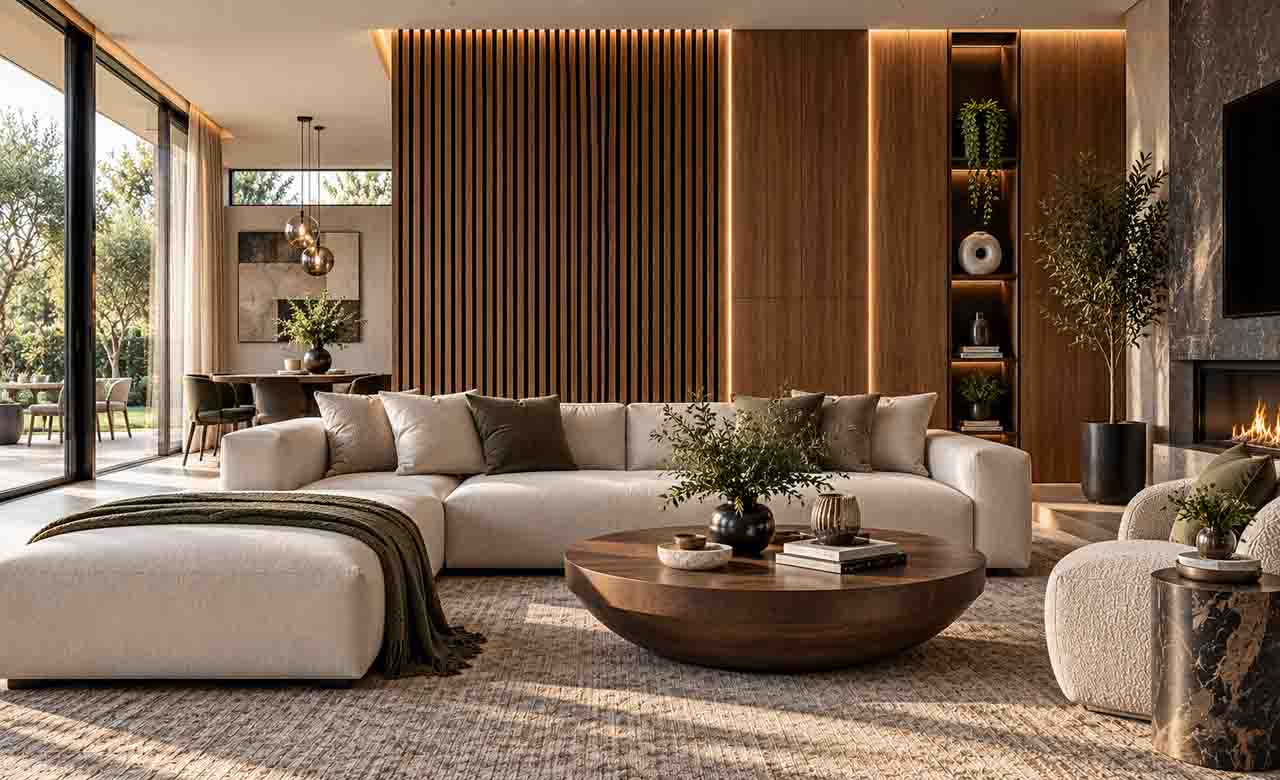
The best wood panel wall design depends on more than appearance. Consider the room’s size, natural light, existing materials, furniture proportions, and the role you want the feature wall to play.
In Lakewood, NJ, and throughout New Jersey, wood panel walls can be adapted to a wide range of residential and commercial interiors. From contemporary living spaces and bedrooms to offices, reception areas and luxury interior projects, panel selection can be tailored to the architectural character of the space.
The right combination of profile, finish, scale and placement can help create a feature wall that feels integrated rather than simply added to the room. This is particularly important when working with premium interiors where material transitions and visual proportions need to work together.
A wood panel wall is an interior wall surface covered with wood or wood-look panels arranged in a planned profile, pattern, or orientation. It can be used as an accent wall, television backdrop, headboard feature, or architectural finish.
Yes. Wood panels can suit modern interiors through simple profiles, clean lines, neutral finishes, and carefully planned layouts. The design can be adapted to minimalist, contemporary, and more luxurious spaces.
Yes. Depending on the panel system, elements such as profile, orientation, dimensions, spacing, and finish can be customised to suit a particular wall and interior design.
Yes. Wood panel walls can be used in offices, reception areas, hospitality spaces, retail environments, and other commercial interiors. Material durability, maintenance, traffic levels, and installation requirements should be considered during selection.
Maintenance depends on the panel material and finish. In general, regular dusting and cleaning with products recommended for the specific surface can help maintain its appearance.
Explore your options with Panneli Interiors and discover a custom wood panel wall design that brings lasting style, texture and character to your space.