

Paneling for walls is one of the most versatile ways to add depth, texture, and visual character to an interior. From warm wood-inspired finishes to sophisticated decorative surfaces, wall panels can transform plain walls into intentional design features without overwhelming the rest of the room.
Modern wall paneling can be used in living rooms, bedrooms, offices, hospitality spaces and commercial interiors. The right combination of material, pattern, colour and placement can create anything from a subtle architectural detail to a dramatic statement wall.
For homeowners and designers exploring options, luxury wall panels offer a way to introduce refined textures and premium finishes into residential and commercial spaces. Below are 21 wall paneling ideas to inspire modern interior projects.
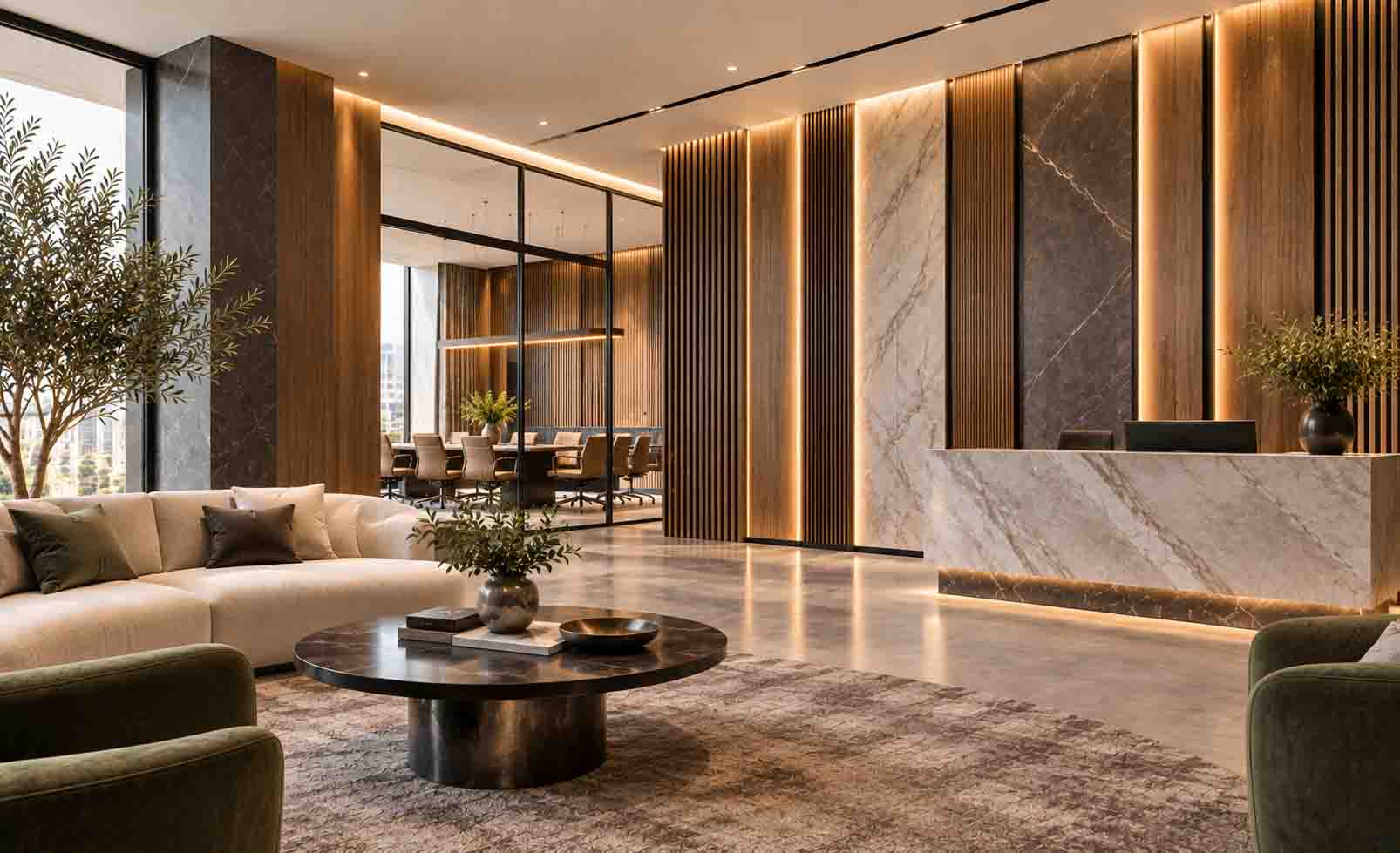
A feature wall can become the visual anchor of a living room. Full-height panels behind a sofa or entertainment area can add architectural interest while helping define the room’s main focal point.
Choose a finish that complements the furniture rather than competing with it. Textured surfaces, warm wood tones, and sophisticated neutral finishes can work particularly well in contemporary living spaces.
A television wall is an ideal location for decorative paneling because it naturally attracts attention. Combining a TV with carefully selected wall panels can create a cohesive feature rather than leaving the screen isolated on a plain wall.
TV feature wall panels can be paired with cabinetry, concealed wiring, shelving, or integrated lighting. Vertical or geometric patterns can also help establish a stronger sense of proportion around the television.
Wood-inspired wall paneling brings warmth and natural character into contemporary interiors. It can introduce the appearance of timber while allowing designers to maintain a consistent modern aesthetic.
Decorative wooden wall panels work particularly well behind beds, sofas, dining areas and reception desks. Light wood finishes can create an airy atmosphere, while darker tones can provide a more dramatic appearance.
Vertical panel designs can visually draw the eye upward and make a room feel taller. This approach is especially useful in rooms where the ceiling height is an important architectural feature.
Narrow vertical profiles can create a refined rhythm across the wall, while wider panels can provide a cleaner and more substantial appearance. The spacing between panels also influences how strong the vertical effect feels.
Geometric panels can bring structure and movement to otherwise simple interiors. Repeating lines, rectangles, squares and angled forms can create a contemporary feature without relying on artwork or excessive decoration.
Geometric designs are particularly effective when used selectively. A single feature wall can provide enough visual interest while allowing the surrounding walls and furnishings to remain relatively understated.
The wall behind the bed is one of the most natural places to introduce paneling. It can establish the bedroom’s focal point while providing texture and a sense of visual continuity.
Full-height panels can create a luxurious backdrop, while partial-height designs offer a more understated solution. Wood-inspired, fabric-effect and softly textured finishes can all complement contemporary bedroom furniture.
Lighting can dramatically change the appearance of wall paneling. LED strips, wall sconces and concealed lighting can highlight textures, create shadows and emphasise architectural details.
For modern interiors, indirect lighting behind or alongside panels can produce a softer effect than direct illumination. The lighting plan should be considered alongside the panel layout so that both elements work together.
A home office can benefit from wall paneling that adds character without creating visual distractions. A textured or wood-inspired feature wall can provide a professional background for meetings while making the workspace feel more intentional.
Panels can also be used to visually separate a workstation from the rest of an open-plan room. Neutral finishes are often suitable when the space needs to remain calm and focused.
Dining areas can sometimes feel visually disconnected from the rest of an open-plan interior. Paneling can help define the dining zone and create a stronger relationship between the furniture and surrounding architecture.
Warm decorative surfaces can complement dining tables, pendant lighting and cabinetry. For a contemporary look, consider matching the panel finish with selected furniture details rather than using identical materials throughout the room.
Wall paneling does not always need to cover an entire wall. It can be positioned around doorways, niches, fireplaces, shelving units or other architectural features to make them more prominent.
This approach allows designers to create visual hierarchy while using fewer materials. It can also make an existing architectural feature feel more integrated into the overall interior design.
The entryway establishes the first impression of an interior, making it a practical location for a distinctive wall treatment. Paneling can give an otherwise narrow or overlooked area a stronger sense of design.
Consider combining decorative wall panels with a console table, mirror and carefully positioned lighting. A restrained colour palette can keep the space sophisticated while allowing the panel texture to stand out.
Long hallways can benefit from wall paneling because the repeated surface creates rhythm along the length of the space. Vertical profiles can emphasise the hallway’s direction, while geometric designs can break up large uninterrupted surfaces.
For high-traffic areas, consider finishes that are practical to clean and suited to the level of daily use. The panel layout should also account for doors, corners and other architectural interruptions.
Open shelving can become more visually cohesive when installed against a decorative panelled background. The panel surface creates depth behind books, artwork, accessories and display objects.
A subtle panel pattern can prevent the shelving from looking visually flat. Alternatively, a stronger finish can turn the entire shelving installation into a feature within the room.
Commercial reception areas need to balance durability, functionality and visual identity. Wall paneling can help create a polished environment while defining the reception desk as a focal point.
In offices, showrooms and other professional environments, contemporary wall panels can be selected to complement existing branding, furniture and architectural finishes. The result can feel coordinated without relying entirely on decorative graphics.
Hotels, restaurants and other hospitality environments often use wall treatments to establish atmosphere. Paneling can provide texture and depth while helping different areas of a property develop their own visual identity.
Wood-inspired surfaces can create warmth, while metallic or marble-inspired finishes can produce a more contemporary aesthetic. The appropriate choice depends on the intended atmosphere, lighting and level of traffic.
Using more than one texture can add depth to a large wall. For example, a smooth surface can be combined with a linear profile or textured decorative panel to create subtle contrast.
The key is to maintain a visual relationship between the finishes. Similar tones can help multiple textures feel intentional rather than visually disconnected.
Open-plan homes and workplaces often need visual zones without adding physical walls. Paneling can help identify different areas while preserving the openness of the overall floor plan.
A panelled section behind a dining table, workstation or seating area can establish a clear visual boundary. This is particularly useful when furniture alone does not provide enough separation between functions.
Dark panels can create a dramatic and sophisticated atmosphere when balanced with appropriate lighting and lighter surrounding elements. Deep wood tones, charcoal finishes and other darker surfaces can work particularly well in entertainment areas and contemporary interiors.
Dark paneling does not necessarily make a room feel smaller. Strategic lighting, reflective surfaces and appropriate furniture placement can help maintain visual balance.
Minimalist interiors can benefit from paneling when the design is kept simple. A restrained profile, neutral finish and consistent spacing can add architectural detail without introducing excessive decoration.
This approach works well when the goal is to create an elegant backdrop for furniture, artwork or lighting. The paneling becomes part of the architecture rather than the sole focal point.
Paneling can provide a structured background for artwork, mirrors and decorative objects. Subtle textures can help frame these elements while adding another layer of visual depth.
When using strong wall panel designs, keep the surrounding décor relatively controlled. This allows the wall treatment and decorative pieces to complement rather than compete with one another.
Every interior has different proportions, architectural details and design requirements. Custom wall panels can be developed to suit specific dimensions, layouts and aesthetic preferences rather than forcing a standard design into an unsuitable space.
Customisation can involve the panel profile, finish, orientation, colour or combination of materials. For residential and commercial projects in Lakewood, NJ and throughout New Jersey, this approach can be particularly useful when creating a distinctive luxury interior.
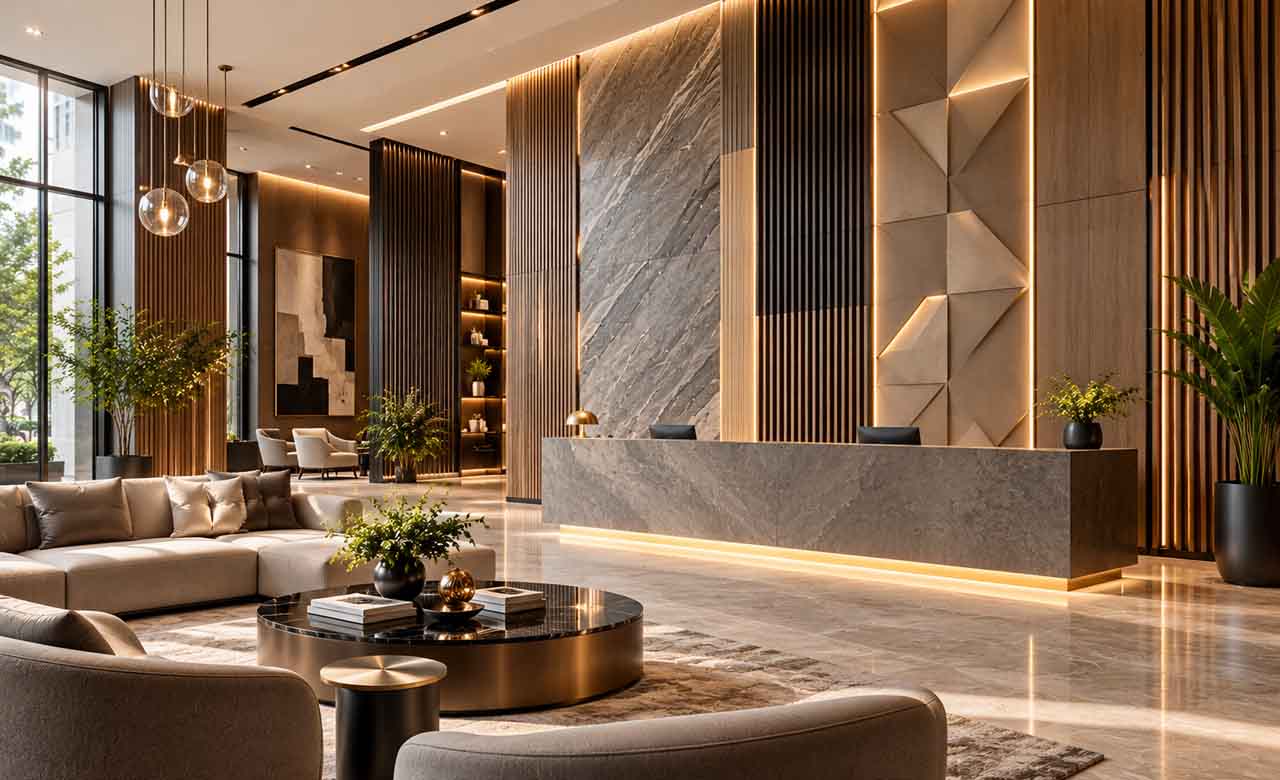
The best paneling choice depends on more than appearance. Consider the room’s purpose, wall dimensions, lighting conditions, maintenance requirements and the existing materials used throughout the space.
Residential wall paneling can be used throughout living rooms, bedrooms, dining areas, home offices, entryways and entertainment spaces. The versatility of modern panels allows homeowners to create anything from subtle architectural detailing to a prominent feature wall.
In a residential project, consistency is often more important than covering every wall. Repeating a particular finish or profile in carefully selected areas can create a connected design language throughout the home.
Commercial environments have different requirements because wall surfaces may experience higher traffic and more frequent cleaning. Offices, reception areas, retail environments, hospitality venues and professional spaces can all use paneling to create a defined visual identity.
Commercial projects should consider durability, installation requirements, maintenance and long-term design relevance alongside appearance. A well-planned panel system can provide both decorative value and a cohesive architectural finish.
Different materials create different visual and tactile effects. Wood panels can introduce warmth and natural character, while MDF wall cladding can provide a versatile base for a range of profiles and decorative applications.
The panel surface is equally important. Depending on the design direction, interiors can incorporate wood-inspired, leather-effect, metallic, marble-inspired and other contemporary finishes.
Designers can also explore a wider selection of wall panel designs to compare patterns, profiles and applications before deciding on a final concept.
Wall paneling continues to be used in contemporary interiors because it combines visual impact with architectural flexibility. It can introduce texture, establish focal points, define zones and create a more finished appearance across a wide range of spaces.
The most successful applications are usually those where the paneling has been considered as part of the complete interior rather than added as an isolated decorative element. Furniture, lighting, colour, flooring and architectural proportions should all contribute to the final result.
For luxury residential and commercial projects in Lakewood, NJ and across New Jersey, thoughtful panel selection can help create interiors that feel cohesive, contemporary and purposefully designed. If you are planning a wall transformation, explore Panneli Interiors’ luxury wall panels and consider the finish, profile and application that best suit your project.
Paneling for walls is a decorative or architectural wall treatment consisting of panels installed over or as part of a wall surface. Panels can add texture, pattern, depth and visual structure to residential or commercial interiors.
Yes. Wooden decorative panels can work well in modern interiors because they introduce warmth and texture while complementing contemporary furniture, lighting and architectural details. Different colours, profiles and orientations can create different visual effects.
Many wall panel systems can be customised according to the project’s dimensions, design requirements and preferred finish. Customisation may include the profile, orientation, surface finish, colour or overall layout.
Yes. Wall panels can be used in offices, reception areas, retail spaces, hospitality venues and other commercial interiors. Material selection should consider traffic levels, maintenance requirements, installation conditions and the intended design.
Maintenance depends on the panel material and finish. In general, surfaces should be cleaned according to the manufacturer’s care instructions and protected from unsuitable cleaning products, excessive moisture or abrasive treatment.