

Choosing the right wall panel material can have a significant impact on the appearance, durability, maintenance, and overall practicality of an interior. At Panneli Interiors, we work with a range of decorative wall solutions, and we understand that PVC wall panels, MDF wall cladding, and wood panels each offer different characteristics.
In this guide, we compare PVC wall panels with other popular wall panel materials across nine important features. Whether you are planning a residential interior in Lakewood, NJ, or developing a commercial interior project elsewhere in New Jersey, understanding these differences can help you select a wall finish that fits your design and functional requirements.
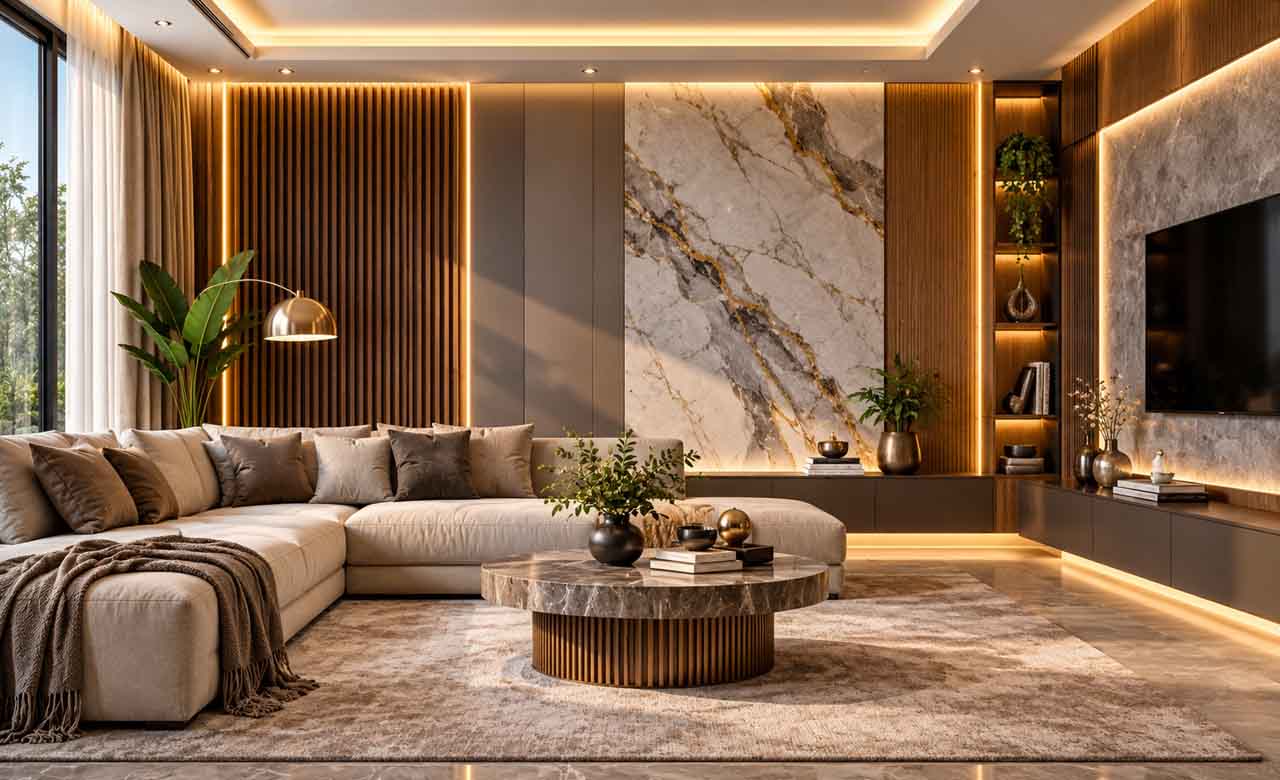
PVC wall panels are manufactured from polyvinyl chloride, a synthetic material known for its practical performance and versatility. Depending on the design, PVC panels can replicate the appearance of wood, stone, marble, or other decorative finishes while maintaining the characteristics of the underlying PVC material.
By comparison, MDF wall cladding is produced from engineered wood fibres compressed into dense boards. Traditional wood panels are made from natural timber or wood-based materials, giving them a different appearance, texture, and material character.
At Panneli Interiors, we consider the intended application, visual style, and practical requirements when helping customers explore different PVC wall panel options.
One of the key advantages of modern wall panels is the variety of styles available. PVC panels can be produced with different patterns, textures, colours, and surface effects, making them suitable for contemporary, minimalist, luxury, and commercial interiors.
MDF and natural wood panels can also create attractive feature walls, particularly when the natural appearance of wood is an important part of the design. The right choice depends on whether the project prioritises a specific material character, decorative finish, or broader design flexibility.
For projects where the warmth and visual texture of timber are central to the design, our wood panel solutions can provide an alternative to PVC.
Durability is an important consideration for both residential and commercial wall applications. PVC wall panels are generally resistant to everyday moisture and can provide a practical surface for areas where conventional wall finishes may require more maintenance.
MDF requires appropriate protection from prolonged exposure to moisture, while natural wood may require periodic care depending on its finish and installation environment. The expected traffic, humidity, cleaning requirements, and location of the wall should therefore be considered before selecting a material.
Moisture resistance is one of the areas where PVC panels can be particularly useful. PVC itself is not an absorbent material, making appropriately designed PVC wall panels suitable for certain environments where moisture may be present.
MDF and traditional wood products can be more sensitive to moisture if they are not properly sealed or specified for the environment. For any project exposed to significant humidity or water, the manufacturer’s installation requirements and product specifications should always be reviewed.
Wall panels should not only look good when installed; they should also remain practical to maintain. PVC surfaces can generally be cleaned with appropriate household or commercial cleaning methods, depending on the manufacturer’s recommendations.
Wood and MDF finishes may require more careful cleaning and maintenance, particularly when they feature specialised coatings or natural finishes. Regular dusting and following the recommended cleaning method can help preserve the appearance of decorative wall surfaces.
The installation process varies according to the panel material, wall condition, panel design, and fixing system. PVC panels can be designed for efficient installation, but the substrate should still be properly prepared before installation begins.
MDF and wood panels may require different cutting, fastening, finishing, or preparation techniques. For this reason, installation requirements should be considered alongside the appearance of the finished wall rather than treating the panel material as the only decision.
Each material creates a different visual experience. PVC wall panels can provide clean, contemporary surfaces and can be manufactured with decorative patterns that suit modern luxury interiors.
MDF can provide a smooth foundation for painted or decorative finishes, while natural wood introduces authentic grain patterns and a warmer material character. In a commercial reception area, residential feature wall, or entertainment space, the desired atmosphere should guide the choice.
Wall panels can be used across a wide range of residential and commercial settings. PVC panels may be considered for feature walls, entertainment areas, offices, hospitality environments, retail spaces, and other interiors where practical maintenance and decorative flexibility are important.
MDF and wood panels can also work effectively in homes, offices, reception areas, restaurants, and other commercial interiors. At Panneli Interiors, we consider the project’s design direction and intended use when evaluating suitable wall panel materials.
For projects that require a different engineered-wood solution, our MDF wall cladding provides another option to consider alongside PVC and wood.
The most suitable wall panel is not necessarily the material with the lowest initial cost. Long-term value also depends on durability, maintenance, installation requirements, appearance, and how well the material performs in its intended environment.
PVC may be appropriate when a project needs decorative flexibility and practical surface characteristics. MDF or wood may be preferable when the design calls for a particular finish, texture, or material appearance. Comparing these factors together can make the decision more useful than focusing on price alone.
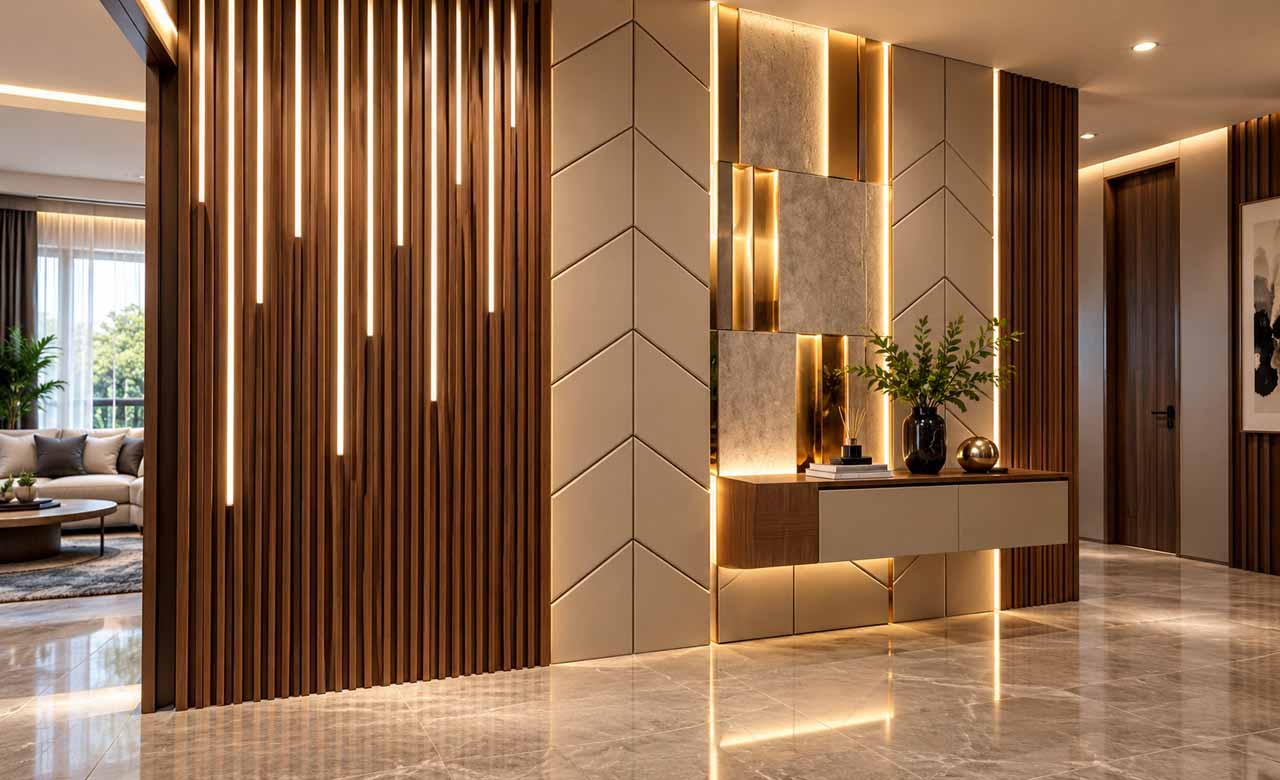
| Feature | PVC Wall Panels | MDF Wall Cladding | Wood Panels |
|---|---|---|---|
| Design flexibility | High variety of decorative finishes | High, particularly for finished or painted surfaces | High, with natural grain and different timber styles |
| Moisture resistance | Generally strong | Requires appropriate protection | Depends on timber and finish |
| Maintenance | Generally straightforward | Depends on surface finish | Depends on timber and protective finish |
| Visual character | Modern and highly decorative | Smooth and versatile | Natural and warm |
| Typical applications | Residential and commercial interiors | Residential and commercial interiors | Residential and commercial interiors |
At Panneli Interiors, we believe wall panel selection should begin with the requirements of the space rather than a single material preference. The room’s design, expected use, maintenance needs, moisture exposure, installation conditions, and desired visual effect can all influence the right solution.
For a luxury residential interior in Lakewood, NJ, a commercial project in New Jersey, or another interior design application, comparing PVC with MDF and wood can help clarify which characteristics matter most. The goal is to create a wall finish that complements the overall interior while remaining practical for its intended environment.
Neither material is universally better. PVC can be useful where moisture resistance and easy maintenance are priorities, while MDF can be suitable when a smooth engineered-wood surface or particular decorative finish is required.
PVC panels offer a wide range of decorative finishes and generally provide practical moisture resistance. Wood panels provide natural grain and a distinctive timber character, so the choice depends on the project’s design and functional requirements.
PVC wall panels are generally straightforward to clean when the appropriate cleaning products and methods are used. Always follow the manufacturer’s care instructions for the specific panel finish.
Yes, PVC wall panels can be considered for various commercial interiors, including offices, reception areas, retail environments, hospitality spaces, and feature walls. The product should be selected according to the specific requirements of the application.
Consider the desired appearance, moisture exposure, maintenance requirements, installation conditions, durability expectations, and overall design of the space. Comparing these factors helps determine which material is appropriate for the project.
If you are comparing PVC wall panels with MDF or wood for your next interior project, explore our wall panel options or contact Panneli Interiors to discuss the requirements of your space.
Ready to explore a modern bathroom wall solution? Explore our Panel Wall PVC options and contact Panneli Interiors to discuss the right finish for your project.